Brie
FailPrices span $5.33–$14.73, mostly outside the sweet spot, so Brie is a Fail.
- Flapen Score
- 37 / 100Top 24% of 323 Grocery niches · +6 vs the category median of 3137
- Market size
- $5K/yr5K searches / yr
- 90-day growth
- -38.4%search demand this quarter
- Competition
- 81%top-5 click share · 7 brands · 3 sellers
Flapen Score
Brie against its category
The dotted line is the Grocery average. Past it, Brie is stronger. Inside it, weaker.
Market
The Brie market on Amazon at a glance
Shoppers on Amazon Singapore searched for Brie 5K times last year and spent an estimated $5K. The top 5 brands take 87% of clicks. Demand peaks in Dec. Flapen scores it 37 out of 100, a Fail.
01 · Demand
An estimated 9.5% of those searches ended in a purchase.
Shoppers searched for this 5K times in the last 12 months. That counts every search on Amazon Singapore for this niche's terms. An estimated 9.5% of those searches ended in a purchase. Searches in the last 90 days moved -38.4% against the 90 days before. Searches, conversion and average price together put the market at an estimated $5K a year.
- Searches, last 12 months
- 5K
- Growth, 90 days vs prior 90
- -38.4%
- Conversion, latest week
- 9.5%
- Market size, estimated
- $5Ka year
- Peak month
- December2.6× the quietest month
- Top search term
- brie4K searches a year
02 · Price
A sale here is worth $9.28.
Listings sell for $9.28 on average, from $5.33 to $14.73. Amazon reports units sold in ranges. This niche sold 1K to 1K a year. The average listing sells 0 to 100 of them. At $9.28 that is $0 to $928 a year per listing.
- Average price
- $9.28under the $15 to $100 sweet spot
- Price range
- $5.33–$14.73
- Amazon Singapore median price
- $30.00across 1,590 niches
- Units sold a year
- 1K–1K
- Units per listing a year
- 0–100
- Revenue per listing a year
- $0–$928
- Returns
- 0.0%of orders · Amazon Singapore median 0.0%
03 · Entry bar
The bar here is low.
0% of listings pay for placement with sponsored ads. 100% ship with Prime. On an average day, 21.5% of listings are out of stock. The average listing ranks #0 within Grocery. It carries 171 reviews at 4.36 stars, so a new listing needs social proof before a better product.
- Sponsored listings
- 0%
- Prime listings
- 100%
- Out of stock, average day
- 21.5%
- Average rank
- #0in Grocery
- Average rating
- 4.36 starsAmazon Singapore average 4.47 stars
- Average reviews
- 171per listing
- Listings tracked
- 8
04 · Newcomers
Brands here are established.
The brands on the shelf have sold for 74 months on average, so the names here are established.
- Launched, last 12 months
- 0
- Successful launches
- 0Amazon's first-year sales bar
- Average brand age
- 74 months
Products
Top Brie products & what they sell for
The products selling here, as shoppers see them on Amazon. Shelf share and sales are our estimates.
Prices and ratings read from Amazon on Jul 24, 2026. The live listing can differ.
Top sellers
by estimated 90-day click share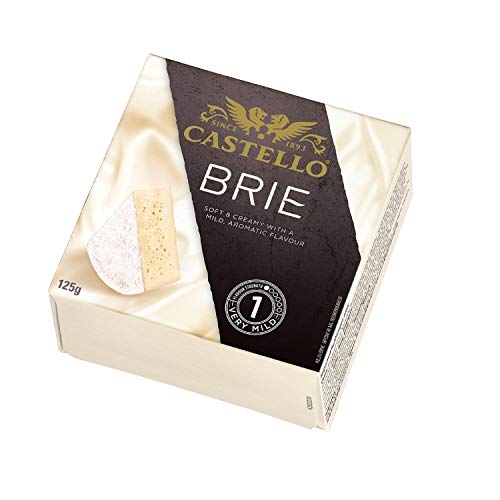
CASTELLO Danish Brie Cheese 125g - Chilled
- Price
- $7.47
- Rating
- 4.7/5
- Reviews
- 12
- Age
- 6y ago
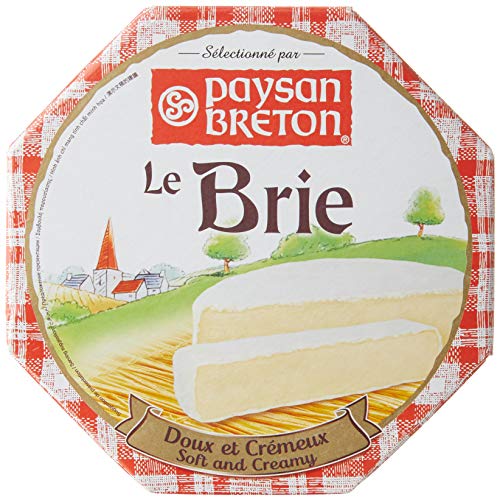
Paysan Breton Brie Cheese 125g - Chilled
- Price
- $5.33
- Rating
- 4.0/5
- Reviews
- 37
- Age
- 5y ago
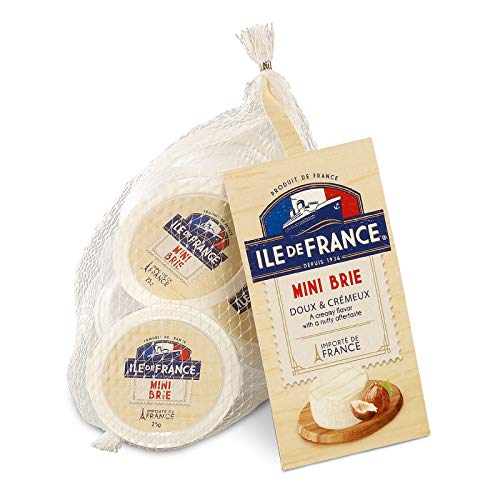
Lle de France Mini Brie 125g - Chilled
- Price
- $9.96
- Rating
- 4.5/5
- Reviews
- 8
- Age
- 6y ago
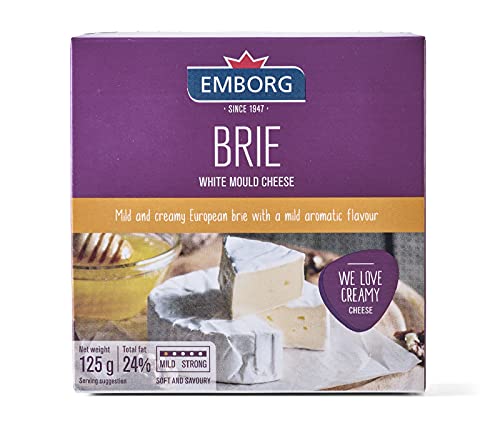
Emborg Brie Cheese 125g
- Price
- $6.13
- Rating
- 5.0/5
- Reviews
- 2
- Age
- 9y ago

President Brie 200g - Chilled
- Price
- $13.56
- Rating
- 4.6/5
- Reviews
- 1,301
- Age
- 16y ago
Trending
estimated 90-day click momentum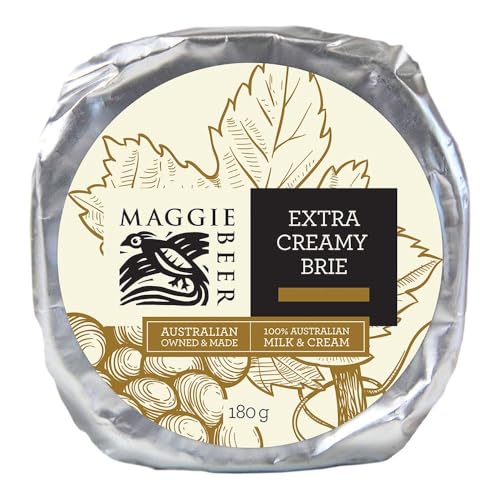
Maggie Beer Brie - Extra Creamy 200g (1 piece)
- Price
- $14.73
- Rating
- 0.0/5
- Reviews
- 0
- Age
- 4y ago
CASTELLO Danish Brie Cheese 125g - Chilled
- Price
- $7.47
- Rating
- 4.7/5
- Reviews
- 12
- Age
- 6y ago
Emborg Brie Cheese 125g
- Price
- $6.13
- Rating
- 5.0/5
- Reviews
- 2
- Age
- 9y ago
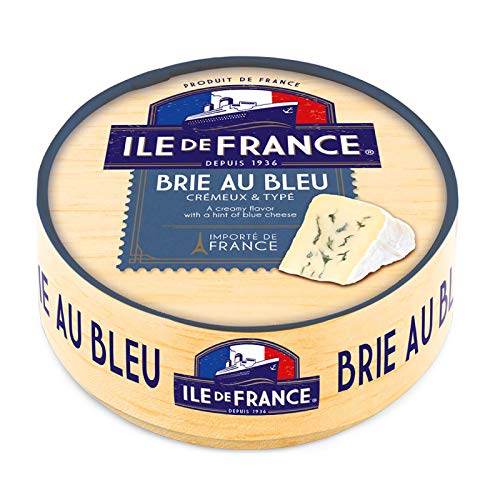
Lle de France Brie Bleu 125g - Chilled
- Price
- $8.51
- Rating
- 3.2/5
- Reviews
- 6
- Age
- 6y ago
President Brie 200g - Chilled
- Price
- $13.56
- Rating
- 4.6/5
- Reviews
- 1,301
- Age
- 16y ago
Newest
by launch dateMaggie Beer Brie - Extra Creamy 200g (1 piece)
- Price
- $14.73
- Rating
- 0.0/5
- Reviews
- 0
- Age
- 4y ago
Paysan Breton Brie Cheese 125g - Chilled
- Price
- $5.33
- Rating
- 4.0/5
- Reviews
- 37
- Age
- 5y ago
CASTELLO Danish Brie Cheese 125g - Chilled
- Price
- $7.47
- Rating
- 4.7/5
- Reviews
- 12
- Age
- 6y ago
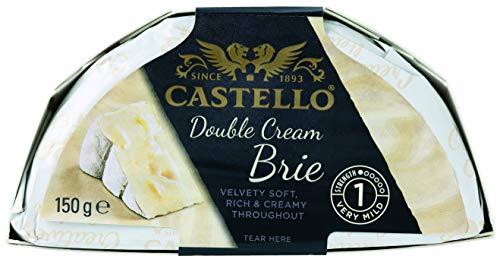
CASTELLO Double Cream Brie Cheese 150g - Chilled
- Price
- $8.53
- Rating
- 4.5/5
- Reviews
- 5
- Age
- 6y ago
Lle de France Mini Brie 125g - Chilled
- Price
- $9.96
- Rating
- 4.5/5
- Reviews
- 8
- Age
- 6y ago
Competition
Competition: brands, sellers & click share
The top 5 products take an estimated 81% of clicks. A locked shelf that new listings rarely crack.
Brands
7 falling
Sellers
3
Est. top-5 brand share
87%
Top 20: 100%
Est. top-5 click share
81%
Top 20: 100%
Open market
6%
- Castello32%
- Paysan Breton20%
- Savencia16%
- Emborg10%
- Caprice des Dieux9%
- Maggie Beer8%
- Open — no brand owns it (1 brand, 6%)
Demand
Brie search demand
Weekly searches over the year, seasonality beneath. Pick a range.
Peak months: Dec · busiest ÷ quietest = 2.6×
Keep looking
Related niches
Niches in the same category that score near this one. Research these next.
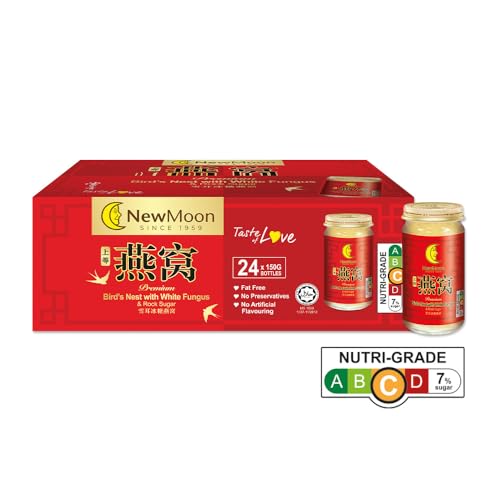
Bird Nest
$3K/yr+8.0%
Fruits
$167K/yr-25.0%
Japanese Rice
$0/yr-15.6%
Organic Chicken
$9K/yr-18.9%
Wild Salmon
$2K/yr+29.8%
Best Flapen score
The highest-scoring niches we track right now, across every category.


FAQ
Common Brie questions
Answered from the same tracked data.
Figures on this page are estimates modeled from public Amazon pages and third-party keyword data. Amazon does not supply them, and no connected seller's data is used. How we handle Amazon data