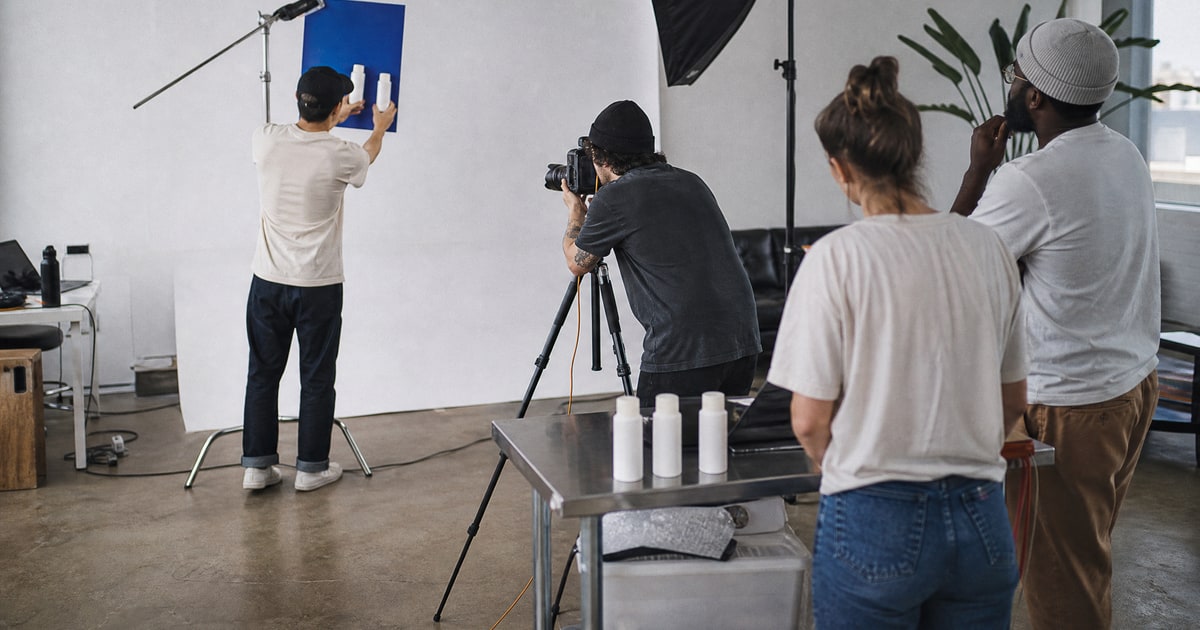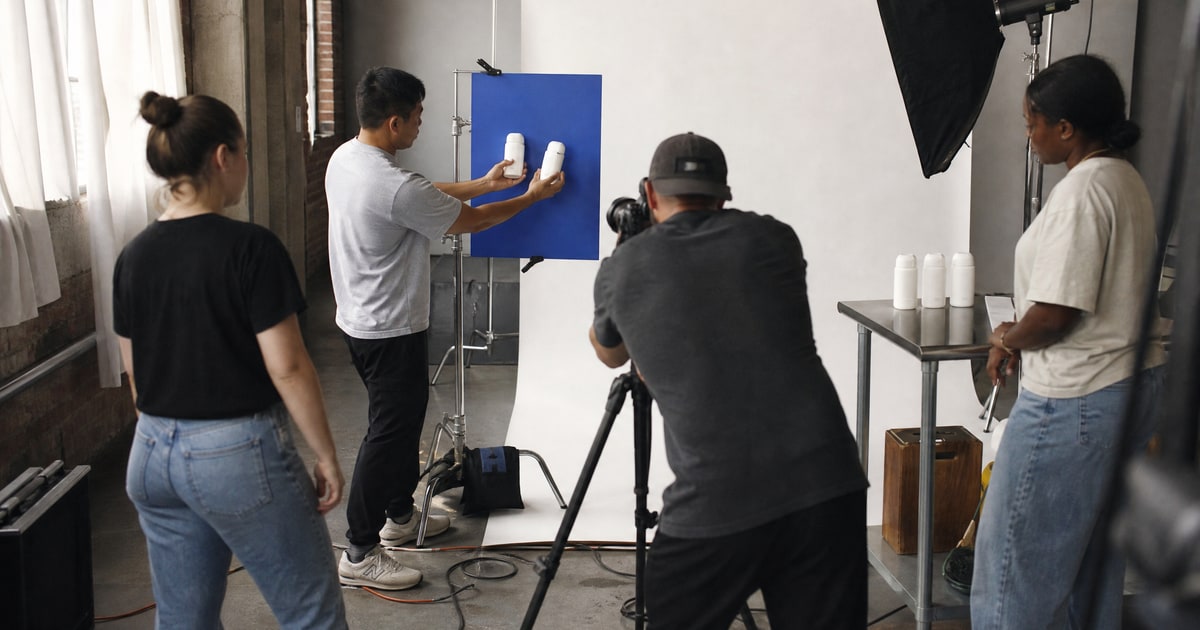
Full-service ecommerce studios and agencies with in-house creative teams include props and styling in the shoot fee; freelancers usually treat both as billable extras. Before you book, ask three things: who owns the prop budget, who art-directs the set, and whether styling decisions come from competitor review data or the photographer's taste.
The short version
- "Styling included" has three different meanings. A stylist on set, a shelf of reused props, or a line item in disguise. Get the definition in writing.
- Props are an argument, not decoration. The right prop proves scale, context, or use case. The wrong one is expensive clutter.
- Freelancers pass through prop costs. Reasonable, but cap it and approve the prop list before purchase.
- Studios amortize prop libraries. Cheaper, with a sameness risk you should check for in their recent work.
- Agencies should tie styling to data. If the stylist has not read your competitors' negative reviews, taste is steering.
What I learned reviewing creative from the buying side
Before Flapen, I ran data and technology at BRANDED and Moonshot Brands, two aggregators that bought Amazon businesses by the dozen. The dashboards my team maintained put every acquired brand's galleries and conversion numbers side by side, and that view cures you of romance about styling. Beautifully staged shoots sat next to plain ones with no correlation you could defend, because what mattered was never the props themselves. It was whether the styling answered a question the shopper was already asking.
That is the lens for buying styled photography: every prop, model, and set choice should exist to prove something, scale, texture, context of use, or the outcome the buyer wants. A lemon next to your water bottle proves size. A marble counter proves nothing except that marble was available.
Symptom, cause, fix: a styling diagnostic
| Symptom | Likely cause | Who fixes it |
|---|---|---|
| Gallery looks like every competitor's | Shot list copied from category leaders | An art director working from review data, not screenshots |
| Lifestyle frames feel off-brand | Stylist chose props by taste | A written prop brief tied to brand guidelines |
| Prop and model costs keep growing | Open-ended pass-through billing | A fixed-scope package with props named upfront |
| Beautiful images, flat conversion | Styling answers no shopper objection | Rebuild the shot list from competitor negative reviews |
| Variants look shot in different rooms | Reshoots without set documentation | A studio that keeps a set bible per product line |
Work the table top down. The first two symptoms are creative-direction failures, the middle two are commercial-terms failures, and the last is an operations failure. Different vendors are weak in different rows, which is why "do you include props?" is too blunt a question.
What "included" should actually cover
A photo service that includes props and styling covers five things inside the quoted price: prop sourcing and purchase, set design, an art director or stylist on set, product prep such as steaming and dust removal, and usage rights that extend to advertising, not just the listing. At Flapen this sits inside our Dubai creative studio and inside the flat monthly fee, and the stylist works from the same competitor research as the copywriter, because a styled frame is just listing optimization carried out with objects instead of words.
If a vendor includes only some of the five, that can still be a fair deal. The failure mode is discovering which parts were excluded after the shoot, on the invoice.
What styling line items will not tell you
Pass-through prop billing hides a quiet incentive: nobody on the vendor side profits from restraint. A stylist spending your money on set dressing has no reason to ask whether the fourth candle moves conversion. Cap the prop budget and require the prop list before purchase, and you will get the same shoot for less.
The other thing invoices keep quiet: props get reused across clients. That is efficient and mostly harmless, until your premium kitchen brand shares a cutting board with three competitors in your own category. If distinctiveness matters to your positioning, ask whether hero props are exclusive to you, and expect to pay for the answer if it is yes.
Related answers
- Who offers lifestyle images for Amazon
- Where to get product photos with models
- Best product photography for beauty brands on Amazon
- Best Amazon product photography services
- Amazon creative services: the complete guide
Styled, prop-complete galleries are part of every management tier at Flapen.