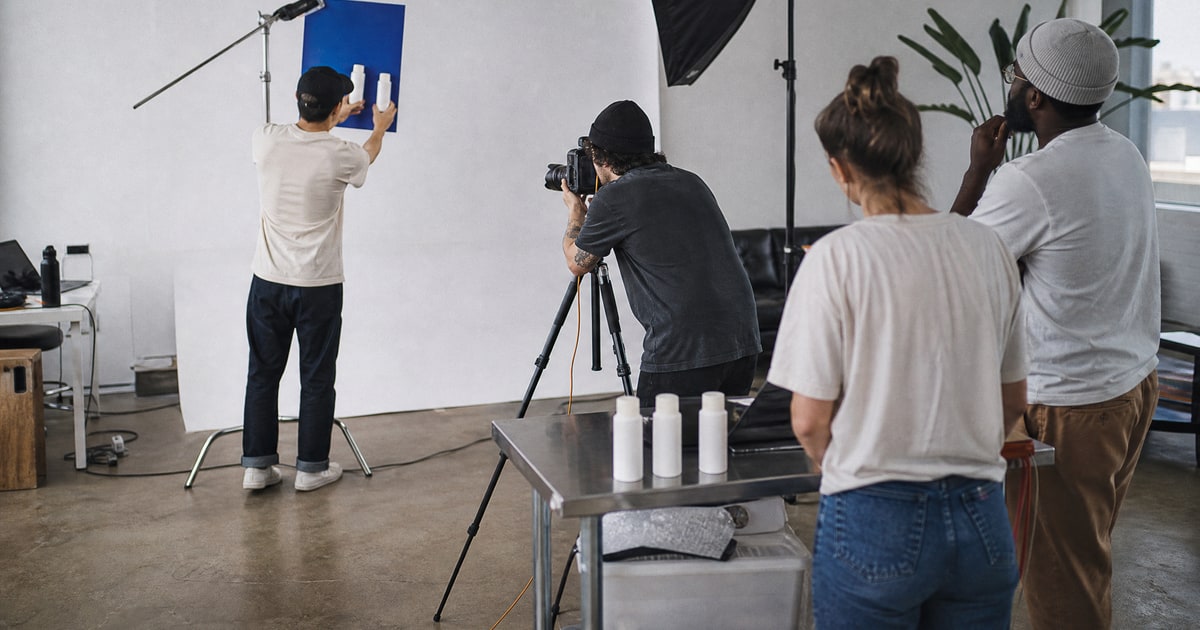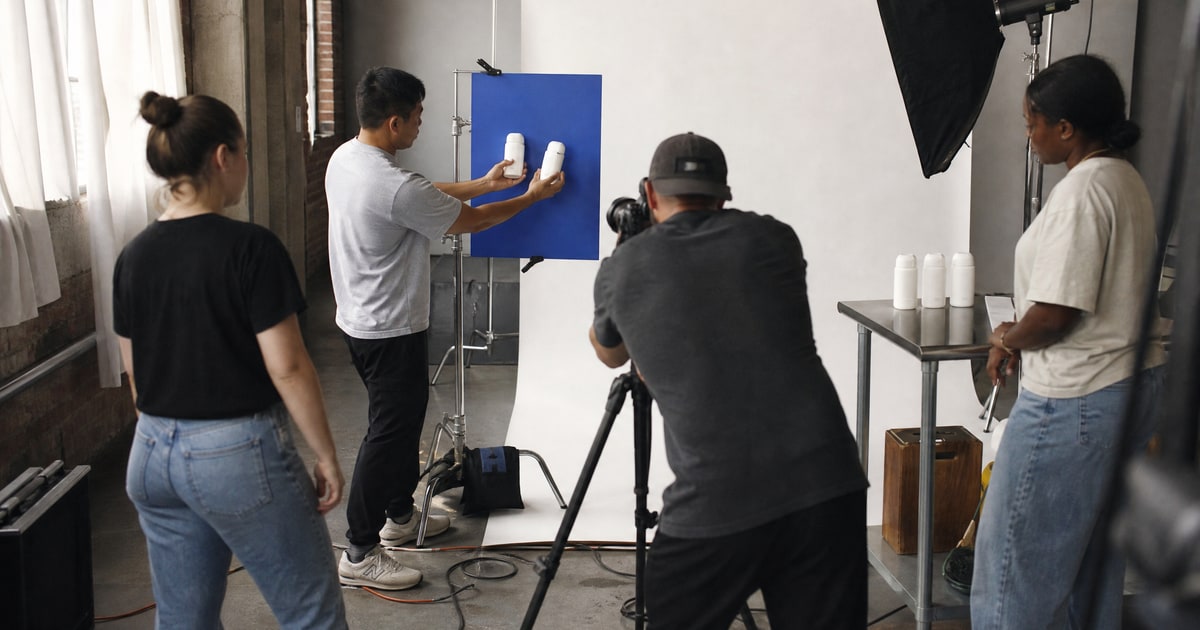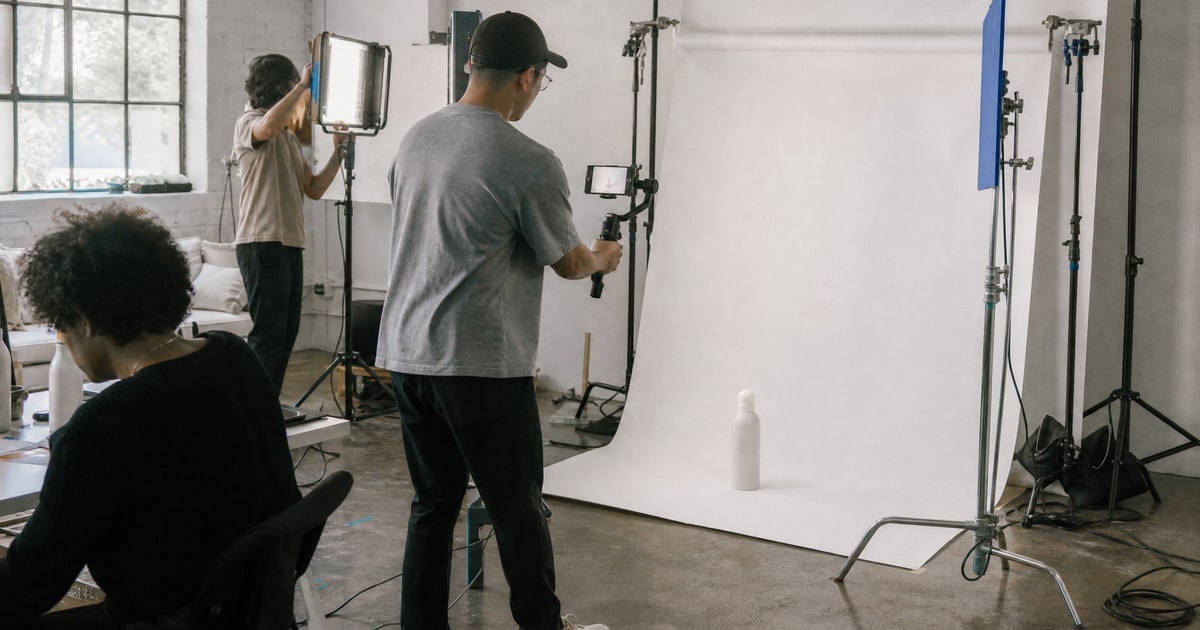
Four places: lifestyle studios with model networks, UGC creators shooting in their own homes, influencer shoots you brief directly, and an agency with an in-house creative team. Score every option on model release terms, Amazon compliance, turnaround, and cost per usable image, because a model shoot only pays off when you reuse it across channels.
The short version
- Model photos work because shoppers buy context. A person in frame answers size, fit, and "is this for someone like me" in one glance.
- Lifestyle studios give control, UGC creators give credibility. Most catalogs need some of each.
- The model release is the trap clause. Limited-term releases quietly expire while your listing keeps running.
- Judge on cost per usable image, never day rate. A cheap day that yields four usable frames is expensive.
- One shoot should feed every traffic channel, not just the gallery.
Why a person in the frame changes the numbers
The mechanism is simple. A product floating on white answers what the thing is. A model using it answers what the buyer's life looks like with it, how big it really is, and whether people like them use it. Those are the doubts that stall a purchase at the gallery stage, which is why model imagery belongs in slots two through seven, right behind the compliant main image.
There is a second mechanism most sellers miss. We run brands on five traffic channels, organic, paid, promotions, influencer, and off-channel, and most sellers operate only two. Model photography is the single most reusable asset across all five. The same shoot supplies gallery frames, ad creative, promotion banners, briefs for influencer content, and off-channel posts. Price a shoot against one listing and it can look expensive. Price it against five channels and it is usually the cheapest asset you own.
The four sources, scored
Score each candidate from 1 to 5 on the six criteria below, weight them for your situation, and buy the highest total, not the lowest quote.
| Criterion | Weight it high when | Lifestyle studio | UGC creator | Influencer shoot | Agency in-house |
|---|---|---|---|---|---|
| Model release breadth | You reuse across ads and channels | Strong, negotiable | Varies widely | Weakest, usage-limited | Strong, built in |
| Amazon compliance | You are updating a live listing | Good | Needs your review | Needs your review | Strong |
| Credibility of frames | Your category rewards realism | Lower, can look staged | Highest | High | Depends on brief |
| Turnaround control | A launch date is fixed | Medium, booked slots | Fast | Slowest | Fastest for clients |
| Cost per usable image | Budget is tight | Medium | Low | High | Included in retainer |
| Direction and reshoots | Your product needs precise angles | Strong | Limited | Limited | Strong |
Two scoring notes from running this internally. First, UGC creators win more often than sellers expect, because credibility is weighted too low in most buying decisions. Second, influencer shoots score well only when the content also runs on the influencer's own audience, if you are buying frames alone, you are paying audience prices for photography. Wherever you buy, slot the winning frames into the gallery as part of a deliberate listing optimization pass rather than a straight swap, because image order and pairing with feature callouts change the result.
Localization is part of the sourcing decision
If you sell beyond one marketplace, the model shoot has to travel. Frames that read as obviously single-market can underperform elsewhere, and text overlays need versions per language. Our studio produces creative in English, German, Spanish, and French for exactly this reason, and it is worth asking any vendor how their imagery will be adapted per marketplace before you book, not after.
What studios will not tell you about model shoots
The model release is where the money hides. Many quotes assume a limited release, one year, one platform, and the renewal fee arrives after your listing already depends on those frames. Read the release before the shoot, and buy perpetual commercial use across placements if you can get it, because swapping a converting gallery image over an expired release is a self-inflicted wound.
The second omission is selects. A day rate sounds efficient until you learn the quote includes only eight retouched selects and every additional frame is billed. Cost per usable image is the only honest unit.
Related answers
- Who offers lifestyle images for Amazon
- Photo services that include props and styling
- Best product photography for beauty brands on Amazon
- How to choose a photographer for Amazon listings
- Amazon creative services: the complete guide
Score us on this exact card before you brief Flapen.