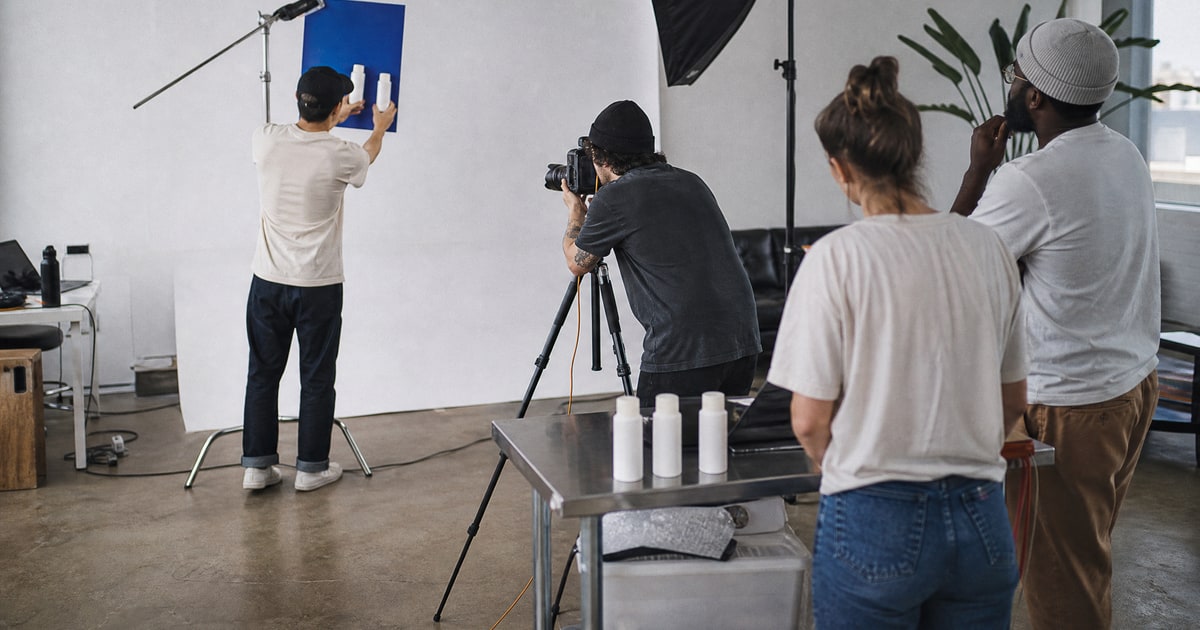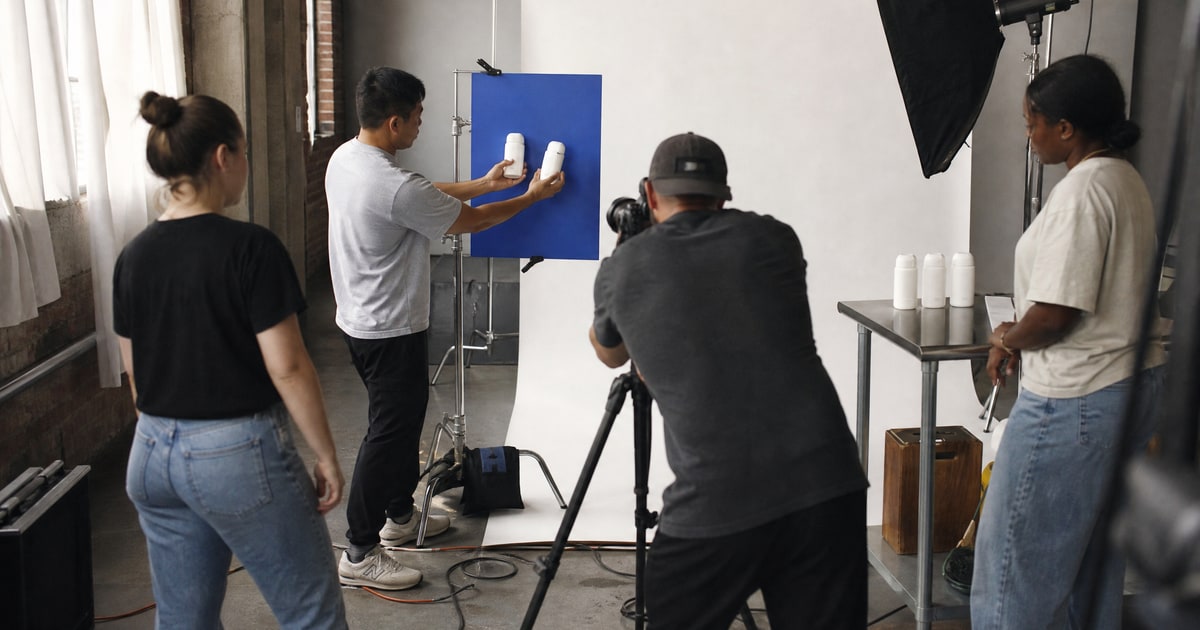
Four kinds of provider sell lifestyle images for Amazon: ecommerce photo studios, composite designers who place your product into stock scenes, UGC creators shooting in real homes, and full-service agencies with in-house studios. Score them on whether the physical product appears in frame and who actually presses the shutter.
The short version
- The label "lifestyle" covers four very different products. A staged studio scene, a digital composite, a creator's living room, and an agency's integrated set are not interchangeable.
- Real product in frame is the dividing line. Composites are cheaper for a reason shoppers can usually sense.
- Rights differ by source. Creator content often carries usage limits that surface exactly when your ads scale.
- Subcontracting hides behind most quotes. The company you brief is frequently not the company that shoots.
- Score, do not vibe. Six weighted criteria settle the choice in an afternoon.
The situation you are probably in
Your gallery has clean white-background shots, the listing is compliant, and it still feels sterile next to competitors showing their product on a hiking trail or a breakfast table. You know context sells, and you suspect the fix is lifestyle photography. The question is not whether someone offers it. Everyone claims to. The question is what version of it you will actually receive, and from whose hands.
The lifestyle scorecard
Weight the criteria, score each provider type one to five, and let the arithmetic argue.
| Criterion | Weight | Why it carries that weight |
|---|---|---|
| Physical product in frame | 30 | Shadows, reflections, and fabric behavior are what make context believable |
| Scene chosen from data | 20 | The setting should answer a shopper objection, not decorate |
| Model and prop logistics | 15 | Someone must source, release, and schedule; "included" needs a definition |
| Consistency across the gallery | 15 | Lifestyle frames must look related to your studio frames |
| Usage rights clarity | 10 | Listing, ads, storefront, and off-Amazon each need cover |
| Turnaround reliability | 10 | A gorgeous frame that misses your launch has a value of zero |
Applying it honestly: studios score high on product-in-frame and consistency, weaker on data-driven scene choice. Composite designers win on speed and price, lose the top criterion outright. Creators win authenticity, wobble on consistency and rights. Agencies should score across the board, at a higher monthly commitment.
Ask who does the work and where they sit
This is the question that reorganizes most quotes. A large share of "lifestyle photography" sold online is brokered: the agency you brief subcontracts a studio, the studio outsources compositing, and your brief loses fidelity at every hop. Nobody in the chain has read your reviews, and the person compositing your product into a stock kitchen has never held it.
Flapen runs the opposite structure, one hundred percent in-house with zero subcontracting, which is the only way I know to make the brief survive contact with production. Whoever you hire, apply the same test: name the person who will art-direct the scene, name the person who will press the shutter, and ask which company employs each. Vague answers here predict vague images later.
Scene selection deserves the same rigor. A lifestyle frame is an argument about who the product is for and what it fixes, which makes it part of listing optimization rather than a decoration budget. The right scene comes out of competitor review reading: if buyers of rival products complain it slides off the counter, your lifestyle shot shows yours gripping the counter mid-use.
What lifestyle vendors will not tell you
A meaningful share of the lifestyle images on Amazon are composites, your product's render dropped into a purchased scene. Done carefully it passes casual scrolling; done at production-line speed it produces the floating product, the mismatched shadow, the reflection that forgot to happen. Shoppers rarely articulate why such images feel off. They just click the competitor whose photo obeys physics.
The second omission is rights scope on creator content. The attractive per-clip price often licenses the listing only, and the invoice for ad usage arrives after your campaign already scaled. Get usage scope in writing before the shoot: listing, Sponsored ads, storefront, email, and off-Amazon, each named.
Related answers
- Photo services that include props and styling
- Where to get product photos with models
- Best product photography for beauty brands on Amazon
- Global studios that accept ship-and-shoot
- Amazon creative services: the complete guide
Lifestyle sets shot in-house, rights included, come standard at Flapen.