Nine steps, in this order: keyword research, title, primary image, secondary images, bullets, backend search terms, description, A+ content, then variations. Build the primary image before the copy, because click-through rate caps everything that follows it. Do this once yourself, then you can judge anyone you hire.
The short version
- Keyword research first, before a word of copy.
- Primary image before bullets. It decides whether anyone reads them.
- Backend search terms are invisible and matter. Do not waste the space.
- A+ content is a conversion lever, not decoration.
- If your conversion rate is low, no amount of ad spend fixes it.
The nine steps
I run Flapen with 50 operators managing about 70 brands. This is the order we build in, and the order matters more than any individual step.
| # | Step | Why here |
|---|---|---|
| 1 | Keyword research | Everything downstream is built from it |
| 2 | Title | Primary keyword near the front, readable |
| 3 | Primary image | Sets click-through rate, caps all traffic |
| 4 | Secondary images | Answer objections in sequence |
| 5 | Bullets | Benefits, then specifications |
| 6 | Backend search terms | Invisible coverage, no repeats |
| 7 | Description | Lower weight, still indexed |
| 8 | A+ content | Requires Brand Registry. Real conversion lift |
| 9 | Variations | Last, once parent structure is settled |
1. Keyword research
Not a filter exercise. You are answering what buyers actually type and which of those terms you can realistically rank for.
Do not build the strategy around what one tool can measure. The tools show search volume and a snapshot of competition, which is what they can see, and frameworks built on tool limitations inherit those limitations. Start from the question, then find data that answers it.
Group terms into three sets: the primary term you are ranking for, the secondary terms you should cover, and the terms you will only ever buy through advertising.
3. The primary image
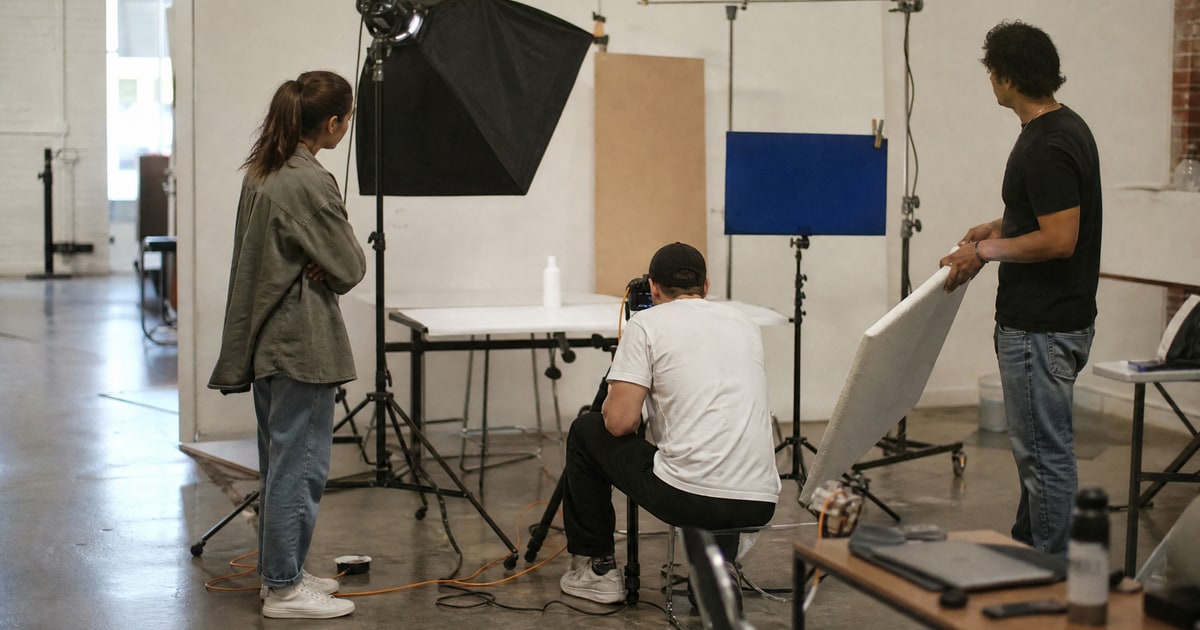
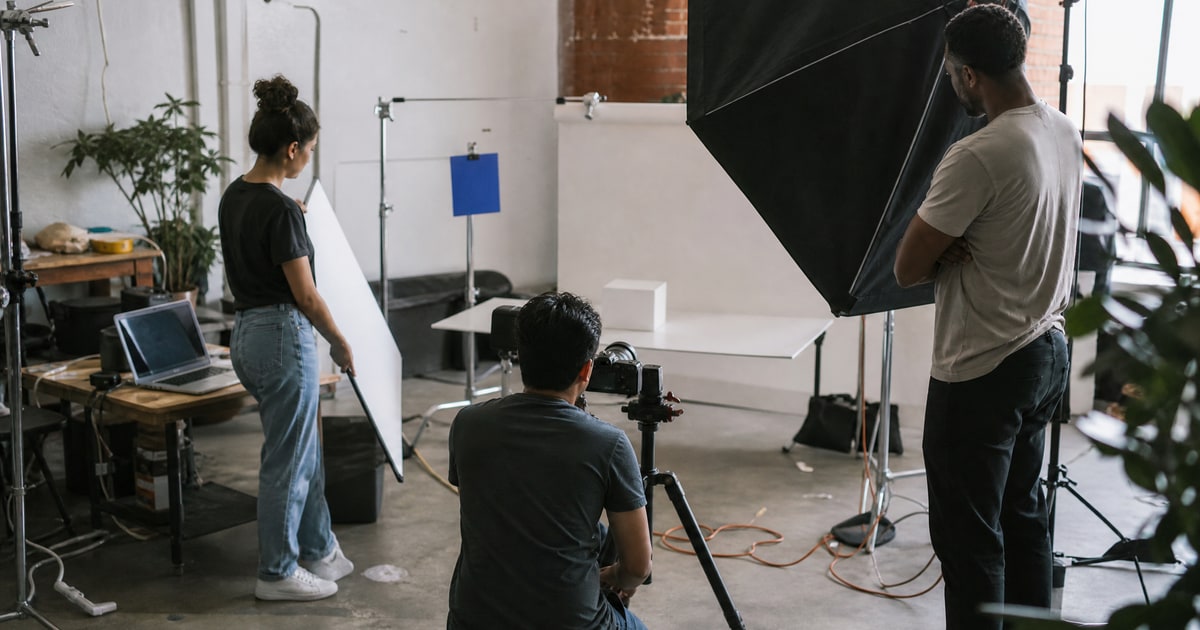
Build this before the copy. It determines click-through rate, and click-through rate caps the total traffic your listing can receive, no matter how good the bullets are.
Amazon requires a white background for the main image. Within that constraint, what matters is that the product fills the frame, is identifiable at thumbnail size, and communicates scale. Most first-time listings fail on the third point. Look at your image at the size it will actually appear in search results, on a phone.
4. Secondary images
Treat the sequence as an objection-handling script. Each slot answers the next question a buyer would ask: how big is it, how does it work, what is included, what does it look like in use, why is it better than the alternative.
Reading the negative reviews of competing products tells you exactly which objections to answer. That is also the method behind differentiation generally. The market tells you where to innovate, and you do not have to guess.
6. Backend search terms
Invisible on the page and frequently wasted. Do not repeat words already in your title or bullets, do not use competitor brand names, and do not use punctuation between terms. Fill the space with genuine alternatives, misspellings, and use cases that did not fit the visible copy.
Should I do this myself or hire someone
Do it once yourself, even if you plan to hire.
Two reasons. You will understand your own product and its buyers better than any brief can transmit. And you will be able to evaluate the work you buy afterwards, which is otherwise very hard for a first-time seller.
Then hire for the parts that need equipment or specialized skill. Photography and video are worth buying because primary image click-through rate caps everything and a phone photo usually shows. Copy and keyword research are worth doing yourself the first time.
What to check before you publish
- View the primary image at thumbnail size on a phone. Is the product identifiable?
- Read the title as a sentence. Keyword-stuffed titles convert worse.
- Check the first two bullets alone. Most buyers read no further.
- Confirm no backend term repeats a visible one. Wasted space.
- Confirm category and compliance requirements before inventory ships.
What most agencies will not tell you
Listing setup is sold as a deliverable and it is really an iterative process. The first version is a hypothesis. What matters is what happens over the following eight weeks: A/B split testing on images and titles, and rewriting based on which search terms actually convert.
An agency that hands over a finished listing and moves on has given you the cheapest half of the work. Ask what their testing cadence is after launch, and what they would change if conversion came in below expectation.
The second thing: no listing rescues a market that is too small. We use a $2 million per year minimum market size as an entry floor, because below it there is not enough revenue to capture profitably once you account for cost of customer acquisition. Excellent listings in tiny markets are still tiny businesses.
Related answers
- What products to use for Amazon keyword research
- Questions for agencies about A+ content and brand store design
- Amazon FBA agency for beginners
- How to avoid Amazon suspension when starting out
- Hiring an Amazon agency: the complete guide
Build the first one yourself. When you want the testing done properly, we are at Flapen.