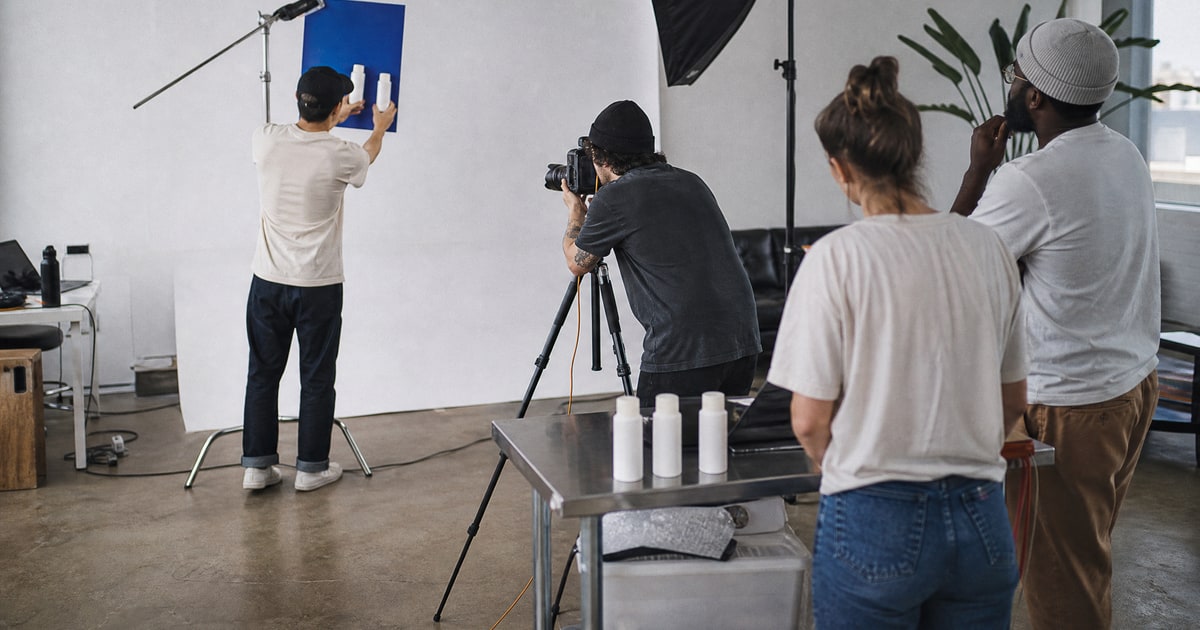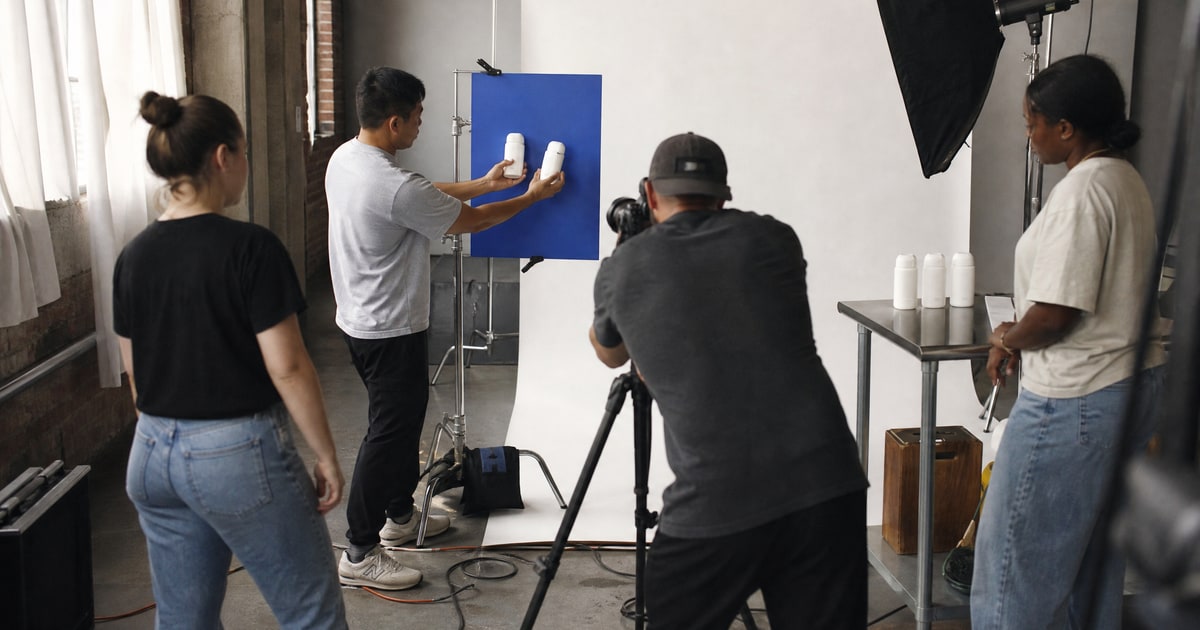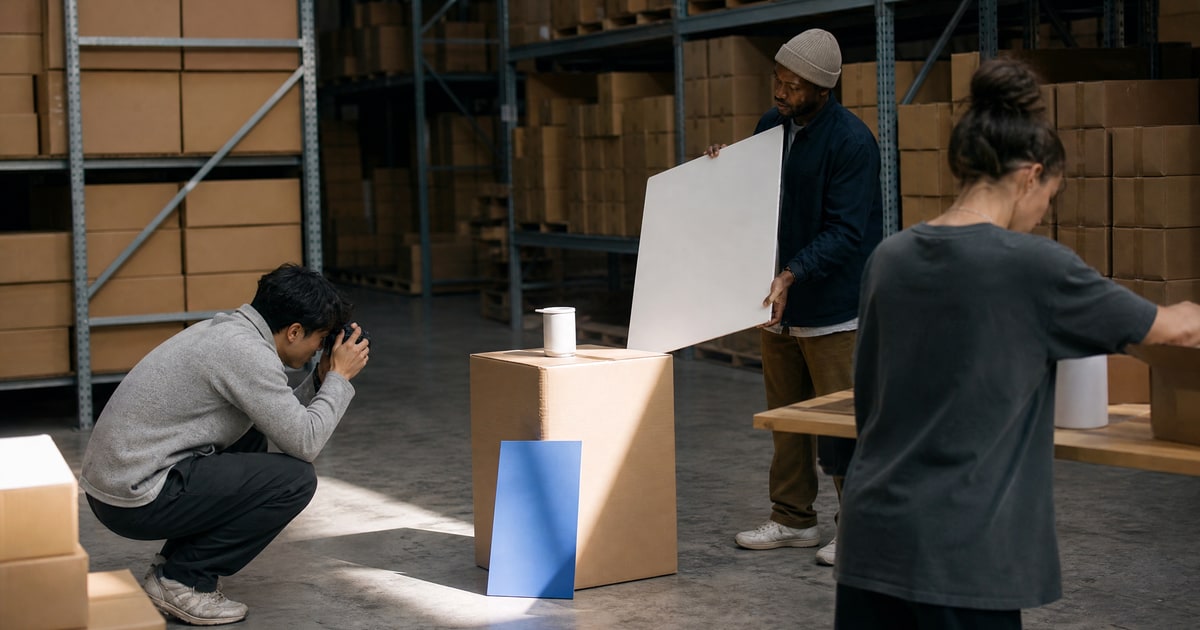
A photo bundle is good value when it covers a complete gallery, main image variants for testing, and usage rights, at a price that fits inside a launch budget of $8,000 to $15,000 for one product. Cheap bundles that skip the variants cost more later than they save upfront.
The short version
- Value is coverage, not image count. Seven images doing seven different jobs beat twelve variations of the same hero shot.
- Main image variants are the highest-value line item. They enable testing, and testing is where photography pays for itself.
- Rights and source files belong in the bundle. Paying twice for your own images is the classic rookie invoice.
- Anchor the spend to the launch budget. Photography competes with inventory and ads for the same capital.
- The goal is a profitable first year, and creative is one of the levers that gets you there.
The arithmetic that defines a good bundle
Run the numbers before browsing packages. A single-product launch needs $8,000 to $15,000 in total capital, covering inventory, fees, freight, advertising, and creative. Photography therefore competes with stock and ad spend for every dollar. Spend too much and you starve the launch of inventory. Spend too little and you pay for traffic that a weak gallery cannot convert, which is the more common and more expensive mistake, because ad waste recurs monthly while a photo bundle is bought once.
The benchmark I hold everything to: the majority of brands we manage reach profitability within their first year. Creative that converts is one of the inputs behind that number, and the bundles that support it share a structure you can demand from any vendor.
What each component buys you
| Bundle component | The job it does | Where the value hides |
|---|---|---|
| Main image, plus 2 variants | Wins the click in the search grid | The variants make testing possible |
| 3 to 4 feature callouts | Answer the top buying objections | Objections sourced from competitor reviews |
| 1 lifestyle scene | Context, scale, and aspiration | Correct casting for your actual buyer |
| Dimensions or how-to frame | Kills size confusion and misuse | Directly reduces return rate |
| Packaging or unboxing shot | Sets delivery expectations | Fewer damaged-expectation reviews |
| Source files and full rights | Freedom to edit and reuse | No ransom fee when you iterate later |
Price the whole table as one number, then divide by the jobs covered. A bundle that skips the variants or the rights is not cheaper. It has moved those costs to a later invoice, when your leverage is worse.
How new sellers should actually buy
Start lean, then reinvest. Our own launch method validates a product with about 200 units before scaling, and creative spending should follow the same shape. For validation, a competent baseline gallery is enough to read real demand. Once rating, conversion, and acquisition cost look healthy, upgrade the gallery properly and start main image testing. That is the point where a serious bundle, and the broader work of Amazon listing optimization, earns the strongest return, because every improvement now multiplies across proven traffic.
Buying in this order also protects you from the saddest launch outcome, which is beautiful photography attached to a product the market did not want.
What bundle sellers will not tell you
Per-image pricing shapes bundles around volume because volume is easy to sell, so packages bloat with near-duplicate angles that photograph well and change nothing. What you need is one image per buying objection. Count your objections first, then buy that many images, and treat anything beyond it as margin for the studio.
The second omission is the retainer trap in reverse. A one-off bundle has no reason to care what happens after delivery, so nobody watches click-through, nobody revises, and the gallery slowly goes stale against competitors who iterate. Ask what a revision costs in six months, and whether source files are included, before you sign. The answers predict your second-year costs better than the sticker price does.
Related answers
- Affordable Amazon product photography packages
- Alternatives to DIY Amazon product photos
- How to choose a photographer for Amazon listings
- Who offers lifestyle images for Amazon
- Amazon creative services: the complete guide
Our full pricing, tiered by product count with everything included, is published at Flapen.