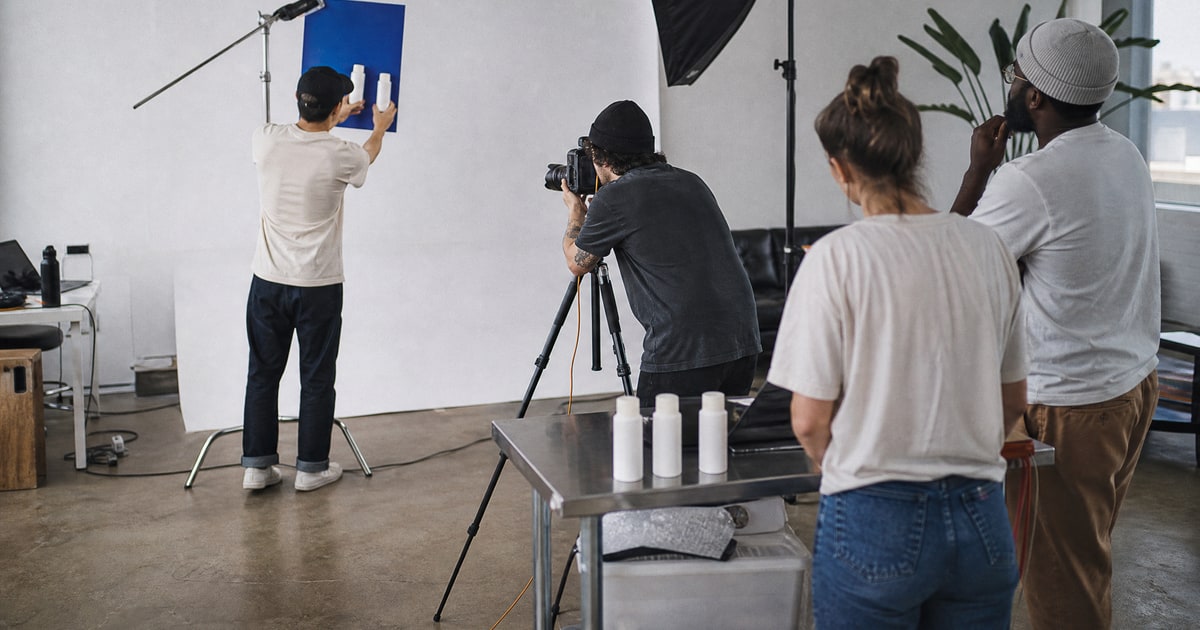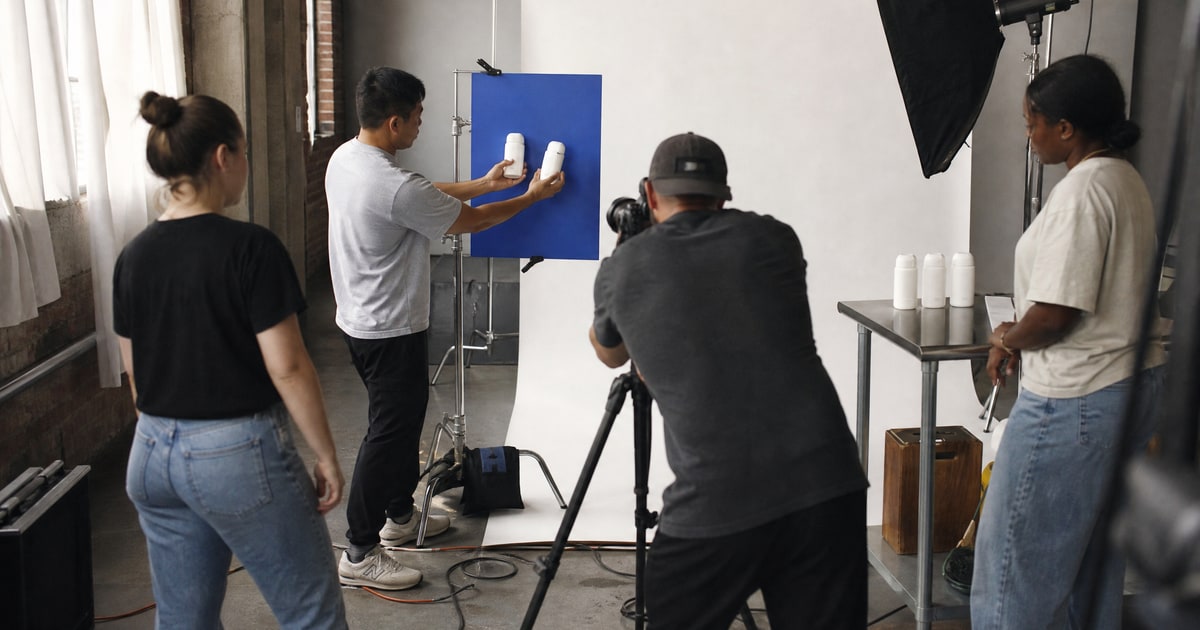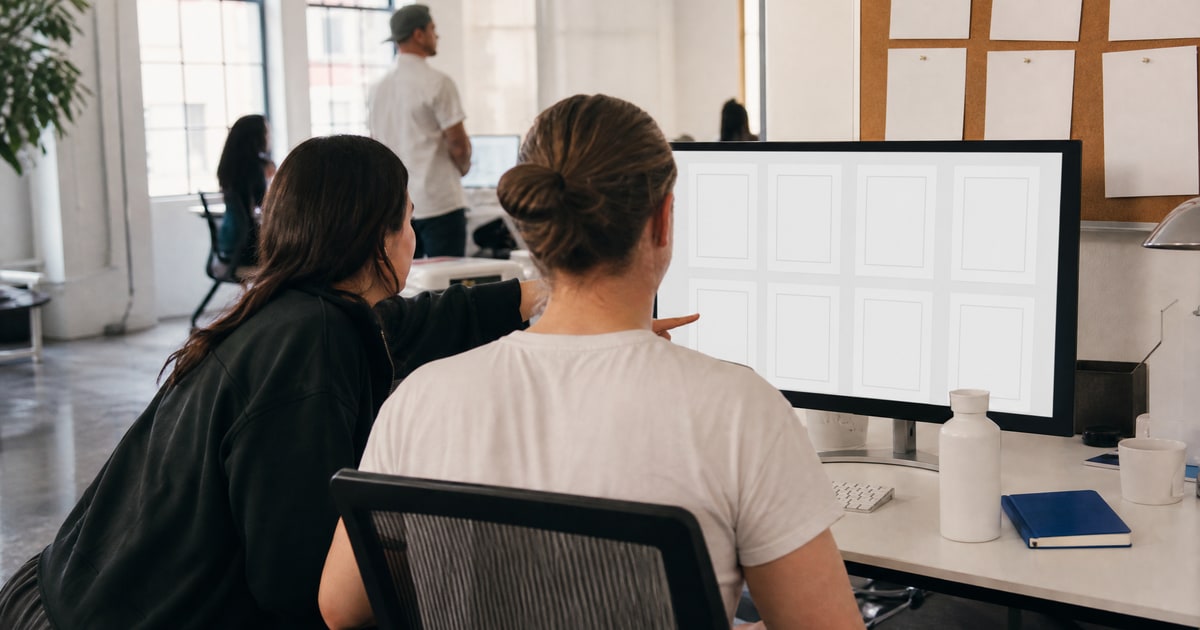
Three alternatives to DIY product photos, in escalating order: a freelance product photographer for a single listing, a dedicated ecommerce studio for variant-heavy catalogs, or an agency with an in-house creative team when photos must coordinate with ads and copy. Upgrade when your conversion data says the images are the constraint, not before.
The short version
- Keep DIY as long as the data supports it. Then leave it quickly, because sentiment about your own photos is not evidence.
- Each alternative has a gate. Cross it on numbers, not on embarrassment at your own gallery.
- Freelancer, then studio, then integrated team. Cost and coordination rise together.
- Define retirement criteria for images upfront. Photos deserve the same discipline as products: keep, fix, or kill on evidence.
- The wrong move is upgrading everything at once. Replace the main image first and read the result.
Stage zero, done properly, before any alternative
Keep shooting your own photos exactly as long as the numbers support them, and not a week longer. DIY is the correct choice for a validation-stage product: capital should sit in inventory and reviews, not in a full production gallery for a product that has not yet earned its future. But DIY only counts as a real stage if you do it properly, one big diffused light, a tripod, a white sweep, and a main image that fills the frame.
What DIY cannot give you is a reason to stay. The moment the listing is live with steady traffic, the gallery becomes a measurable asset with a conversion rate attached, and the question "are my photos good enough?" stops being a matter of opinion.
The upgrade path, with a gate at each step
- Freelance product photographer. One product, one brief, a few hundred dollars to a low four-figure spend. Gate to enter: live listing, real traffic, conversion below what the category's leaders visibly achieve. Your brief should hand over competitor listings and their worst reviews, because a freelancer executes; strategy stays with you.
- Ecommerce studio. Standardized packages, set documentation, variant consistency across reorders. Gate to enter: multiple products or color variants where the freelancer model starts producing visible seams, different lighting on the June batch than the March one.
- Agency with in-house creative. Photography produced by the same team that runs your keywords, copy, and advertising, so every frame argues something the data supports. Gate to enter: creative decisions and traffic decisions have started blocking each other, and you want one owner for the whole conversion path. At Flapen this looks like our Dubai studio shooting from briefs the brand's own operator writes, inside the management fee.
At every step, replace the main image first, hold price and copy steady, and read two numbers for thirty days: main-image click-through and listing conversion. Then decide about the rest of the gallery with evidence in hand. Images are one lever inside listing optimization, and a staged replacement tells you which lever moved.
Give your images kill criteria too
We predefine scale, fix, or kill criteria for every product we manage, rating trend, return rate, conversion rate, and acquisition-cost trajectory over a defined window, so that no product survives on hope. I run images through the same logic because I have paid for the alternative. Early in my selling life I kept feeding advertising money into a product that was failing, for three months, certain the next optimization would turn it. It did not, and the bill taught me to write exit rules before spending, not after.
For photos the rules are cheap to write: this gallery is retired if conversion sits below the level the unit economics need for a defined number of weeks, or if return reasons keep citing appearance, size surprise, or "not as pictured". Written down, the rules fire on schedule. Kept in your head, they fire a quarter late, and the delay is pure ad spend.
What photo vendors will not tell you about DIY
Vendors have no incentive to say this, so I will: for a pre-revenue product, professional photography is often premature. The validation question is whether anyone wants the thing at your price, and a competent phone gallery answers that honestly. A full production shoot before validation is money spent decorating a hypothesis.
The reverse silence also holds. Once a product has proven demand, DIY quietly caps you: the ceiling shows up as a click-through rate that never quite reaches the category leaders and a conversion rate that plateaus below plan. Sellers stare through that ceiling for months because the photos "look fine". The data was telling them otherwise the whole time.
Related answers
- Alternatives to freelancer marketplaces for product photos
- Best gear for shooting Amazon product clips at home
- Affordable Amazon product photography packages
- How to choose a photographer for Amazon listings
- Amazon creative services: the complete guide
When the data says you have outgrown DIY, the next stage is staffed and waiting at Flapen.