Work backwards from the on-shelf date. A full brand launch runs about seven months across research, sourcing and samples, tooling and production, freight, listing and creative, then the ranking window. Copy the phase table below, then fill in your own dates from supplier lead times and your own cash position.
The short version
- Two inputs set every date on your calendar. Supplier lead time and freight mode. Everything else fits around them.
- A phase ends at a gate, not on a date. Moving forward with an unmet gate is how launches quietly fail.
- Cash leaves in lumps, not evenly. Tooling, production, and freight land close together and that is where sellers get caught.
- Budget $8,000 to $15,000 for one product. A five-product brand is $25,000 to $50,000.
- Reserve your creative time early. Photography is the most commonly delayed item and it gates your listing.
Why launches slip in the same places every time
The mechanism is straightforward: a launch is a chain of dependencies where each link has variable duration and only one of them is under your control. Sampling depends on the factory's queue. Tooling depends on the sample being approved. Production depends on the deposit clearing. Freight depends on the booking. Listing depends on photography, which depends on the physical sample arriving. The ranking window depends on stock being checked in.
That structure explains why adding budget rarely compresses a launch. Money can upgrade freight mode and it can buy a faster creative turnaround. It cannot make a factory skip a production run for someone else. So the useful template is not a set of durations copied from someone else's project. It is the order, the gates, and the cash, with your own supplier's quoted lead times written into the blanks.
We have built the sourcing side of this across more than 500 brands, with our own studio in Guangzhou, and the pattern is consistent enough that I will publish the structure. Fill your dates in and the template becomes yours.
The phase table
| Phase | The gate that ends it | Cash committed here | Owner |
|---|---|---|---|
| 1. Research and validation of the category | Market clears your size floor, and differentiation is named from competitor negative reviews | Research time only | You or your partner |
| 2. Supplier shortlist and samples | A physical sample you would buy yourself | Sample and shipping costs | Sourcing |
| 3. Specification, tooling, packaging | Specification signed, artwork approved, compliance documents identified | Tooling and artwork | Sourcing plus design |
| 4. Validation production run | Around 200 units produced to specification | $5,000 to $10,000 typically | Sourcing |
| 5. Freight and check-in | Units receipted and available | Freight, duties, and fees | Logistics |
| 6. Listing and creative build | Copy, images, A+ content, and backend fields live and indexed | Photography and copy | Creative and listing team |
| 7. Ranking window | Rating, conversion rate, and acquisition cost at agreed thresholds | Advertising budget | Advertising |
| 8. Scale or stop decision | Thresholds met, or stop criteria triggered | Reorder capital, or nothing | You |
Note what phase four is doing. It is not a soft start, it is a purchase of information. Two hundred units tells you whether the product is right, whether the packaging survives transit, what the return reasons are, and how the rating settles. That is worth far more than the discount you would get on a full container.
Filling in your own dates
- Get the quoted lead time in writing for sampling, tooling, and production separately. One combined number hides the phase most likely to slip.
- Choose the freight mode before you commit production, because air and sea create completely different calendars and completely different landed costs.
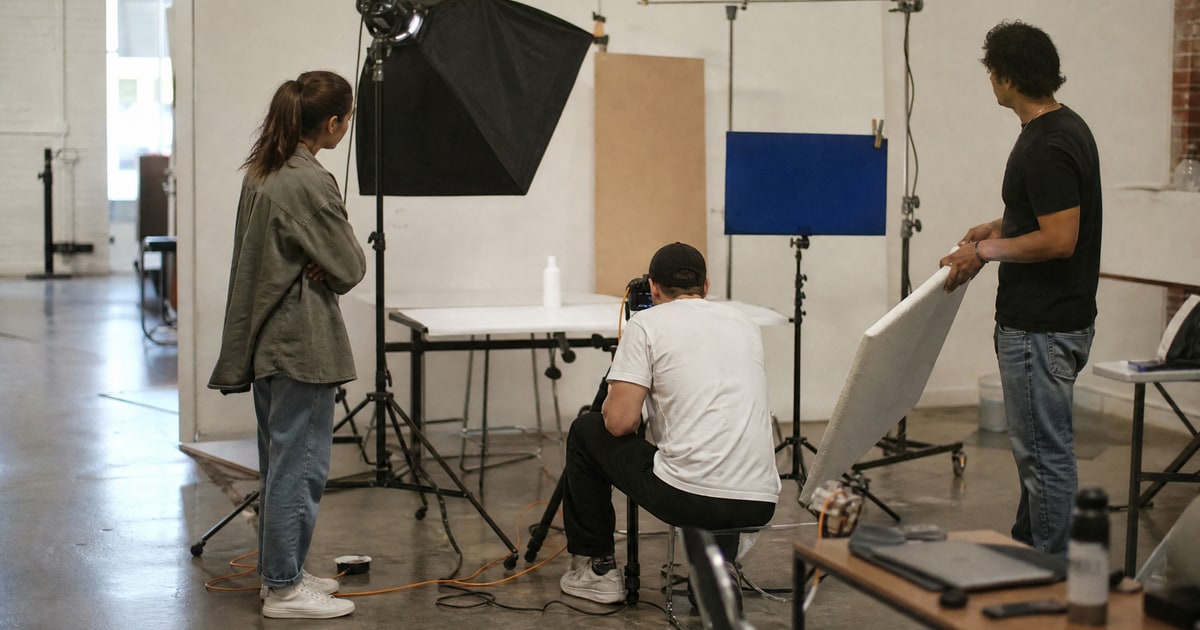
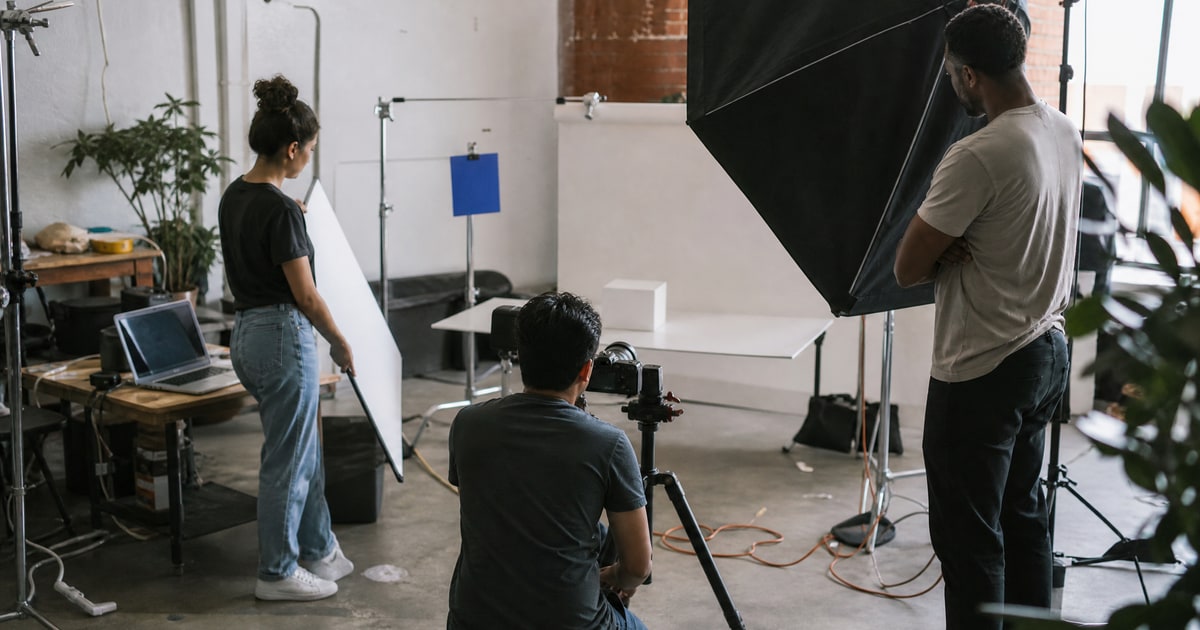
- Book photography against the sample arrival date, not the production date. You can shoot from a golden sample while the run is in progress, which removes a week or two from the critical path.
- Set the ranking window start at stock check-in, and do not begin advertising before then. Sending traffic to a listing that cannot ship is expensive practice.
- Add a buffer to the last two phases only. Padding early phases encourages drift, whereas a buffer at the end absorbs the delays that actually happen.
The cash calendar matters more than the date calendar
| Moment | What leaves your account |
|---|---|
| Sampling | Small, but recurring across several suppliers |
| Tooling and artwork | One-off and often underestimated |
| Production deposit | Typically the first large payment |
| Balance plus freight | The largest single moment, and it lands before any revenue |
| Ranking window | Advertising, with no hard minimum, though below $1,000 a month there is too little data to optimize on |
For a single product, the whole sequence generally sits between $8,000 and $15,000 including inventory, freight, creative, and trademark. For a five-product brand, $25,000 to $50,000 staged across the calendar. Map those against the moments above and you will see immediately whether your launch is funded or merely planned.
What most agencies will not tell you
Launch timelines in proposals are marketing documents. They are drawn to look decisive, with clean four-week blocks and no dependency arrows. Real launches have a gate that fails, a sample that comes back wrong, and a container that sits for a week. A partner who shows you the gates rather than the weeks is telling you how the project actually behaves.
The second thing: the most expensive delay is almost always creative, because it sits between stock arriving and revenue starting. Inventory in a warehouse with an unfinished listing costs you storage, cash, and season. Book the photography before you book the freight.
Related answers
- How to choose an Amazon FBA launch partner
- Best launch strategy for Amazon in the US vs EU
- How to launch first product on Amazon
- Top Amazon seller consultants ranked 2026
- Done-for-you Amazon management: the complete guide
Sourcing, creative, and advertising sit under one roof for launches at Flapen.