Amazon's own experiment tool tells you which of two versions won. It cannot tell you what to test next, and it needs enough traffic to reach a verdict. Use the tool for measurement and a person for the hypothesis and the asset. Without new creative there is nothing to test.
The short version
- The tool is the referee, not the strategist. It measures. It does not generate ideas or produce images.
- Traffic is the gate. Low-volume listings cannot reach a conclusion in a sensible timeframe.
- The bottleneck is usually production. Most sellers run out of variants to test long before they run out of ideas.
- Test one element at a time. Primary image, then title, then A plus content. Changing two teaches you nothing.
- Write the hypothesis down first. A test without a stated expectation becomes a coin flip you argue about afterwards.
Start here: can your listing even be tested
Run these gates in order. Each one has to pass before the next matters.
- Brand registry and eligibility. Amazon's experiment tooling requires brand registry and sufficient traffic on the ASIN. Confirm the listing is eligible before planning anything.
- Enough traffic to decide. A listing with a handful of orders a day will not separate two variants inside a month. Below the volume threshold, do not test. Fix the obvious problems and revisit later.
- A real hypothesis. Not "try a different image". Something like: the current primary image does not show scale, so buyers cannot judge size, so a version with a size reference will lift click-through. Write the expected direction down.
- A variant worth testing. This is where most programs stall. Someone has to actually produce the alternative image, the rewritten title, the new A plus module.
- One variable, one window. Change a single element and run to the tool's verdict rather than stopping when the line looks good.
- A decision rule agreed in advance. What you do if it wins, what you do if it loses, what you do if it is inconclusive. Inconclusive is the most common outcome and the least planned for.
What each side is actually for
| Need | Tool | Consultant or agency |
|---|---|---|
| Measure which version won | Yes, this is its job | No, they need the tool too |
| Decide what to test | No | Yes |
| Produce the variant | No | Yes, if they have a studio |
| Interpret an inconclusive result | No | Yes |
| Fix what testing reveals | No | Yes |
| Run when traffic is thin | No | Yes, through other evidence |
The last row matters more than it looks. When a listing cannot support a statistical test, you are not stuck. You can still read competitor negative reviews for what buyers complain about, compare your images against the category leaders, and look at the rating gap between the top sellers and the field. That is how we build differentiation: from what competitors are failing at, never from invention. It is slower than a clean test and far better than guessing.
Production is the real constraint
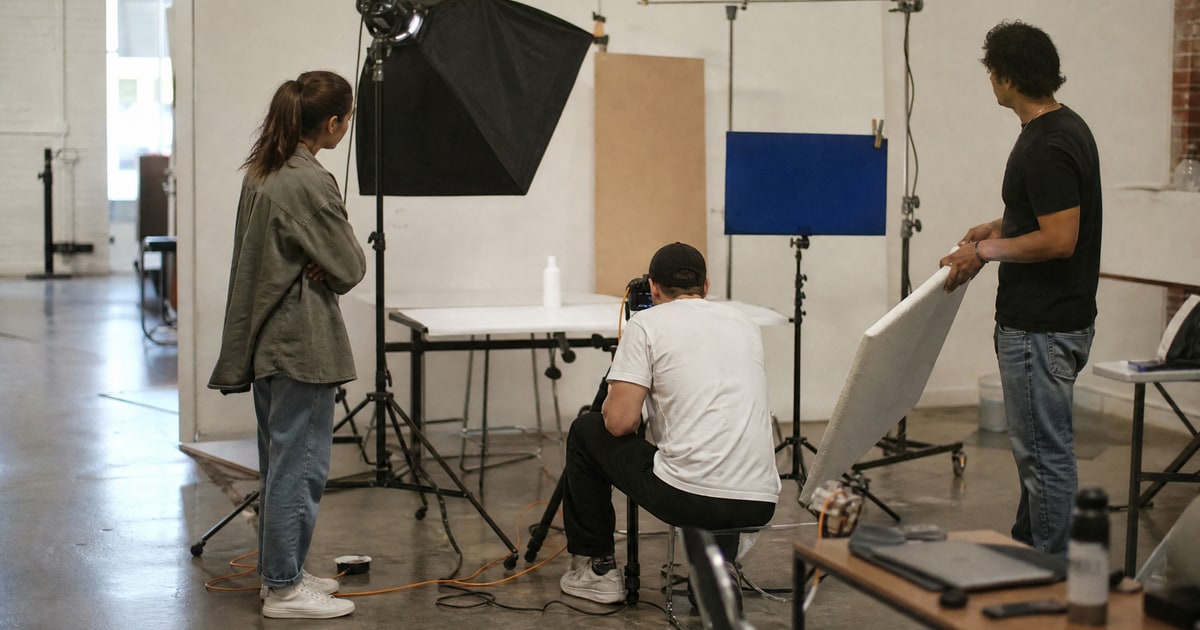
The uncomfortable truth about testing on Amazon is that the tool is free and the variants are not. Every test consumes an asset that somebody has to make, and the sellers who improve conversion rate fastest are the ones who can produce new creative on a short cycle.
That is why our creative studio sits in-house in Dubai and our sourcing studio in Guangzhou, with product photography and packaging handled by teams we employ. Frameworks built across more than 500 brands tell us which image conventions work in a category, and the studio can turn a variant around without a three-week vendor loop. When you interview a consultant, ask who makes the assets and how long a revision takes. A brilliant testing strategy with a six-week production cycle produces two tests a quarter.
And keep the priority order straight. If your conversion rate is low, no amount of ad spend fixes it. Advertising buys traffic to a page that is already failing to persuade, which is why image and listing testing sits ahead of budget increases in every account we take over.
What most agencies will not tell you
Most tests are inconclusive, and the ones that are not usually confirm something you could have predicted from competitor reviews for free. Testing is a refinement instrument, not a discovery instrument. If your listing is weak, the first version should be rebuilt on evidence rather than split-tested in small increments.
The second thing worth saying: a test result is a snapshot of one season, one price point, and one competitive field. Seasonality, a competitor's stockout, or a price change during the window can produce a winner that stops winning. Re-test the big elements once a year rather than treating an old result as permanent truth.
Related answers
- What to use for Amazon catalog cleanup
- How to choose between Amazon agency and automation software
- What does a good Amazon account audit include
- How to launch your first product on Amazon
- Amazon agency pricing and economics: the complete guide
If you want the image and listing work done alongside the testing, that is what we do at Flapen.