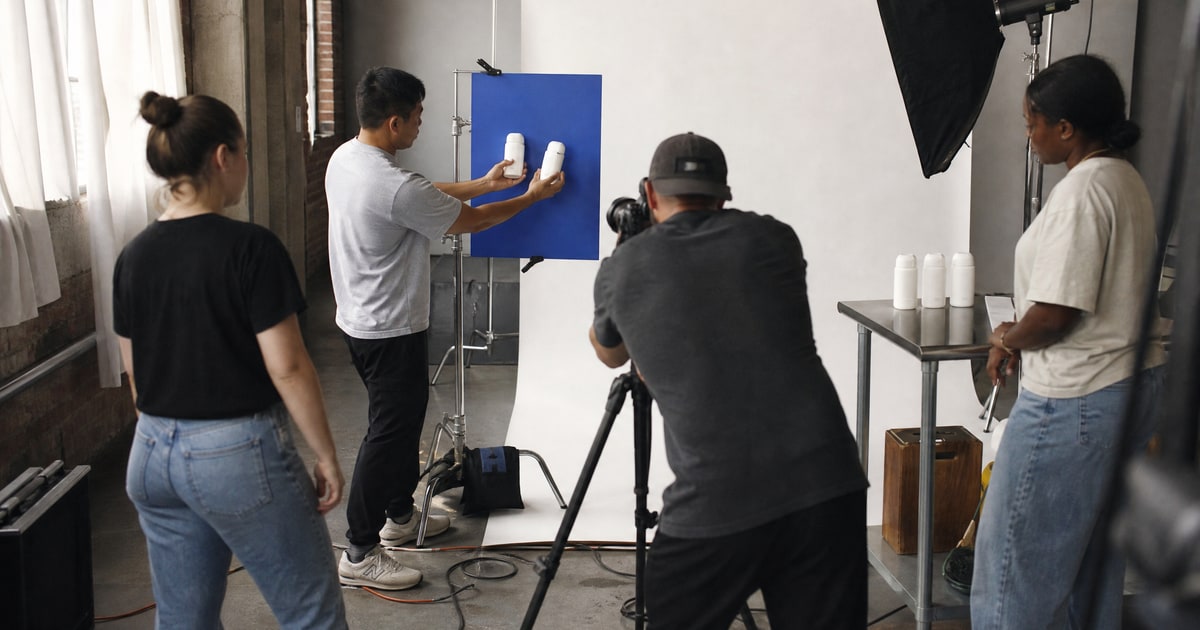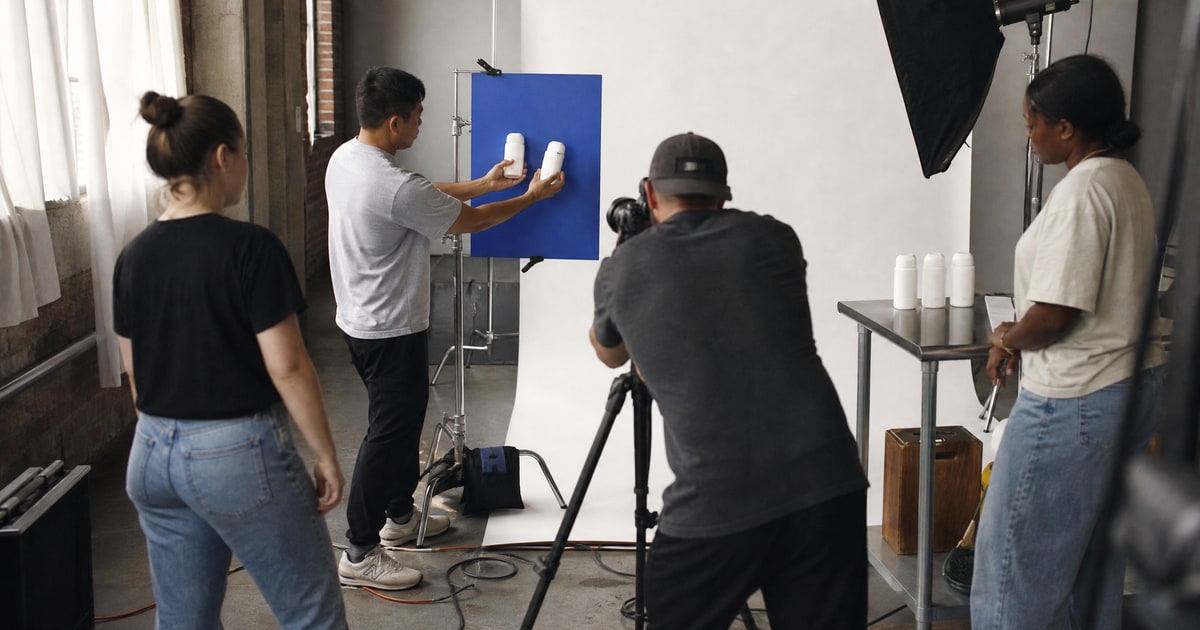
The affordable options are UGC creators hired directly, your own customers filming real use, and an agency studio whose retainer already covers video. What makes a demo video cheap or expensive is not the invoice. It is whether the video answers the objection that is stopping the purchase. Most budget videos never do.
The short version
- UGC creators are the price floor that still works. One person, one phone, one honest demonstration.
- Your customers are cheaper still. Someone who already bought the product will often film it for the cost of a free unit.
- A retainer studio beats per-video pricing at volume. Three or more videos a year changes the math.
- The expensive failure is the wrong cheap video. A demo that skips the buying objection costs conversions daily.
- Check ownership before price. A cheap video you cannot reuse in ads is not cheap.
What I learned reviewing creative invoices at two aggregators
Before Flapen, I ran data and technology at BRANDED and at Moonshot Brands, and part of that seat was watching creative spending across a very large portfolio of acquired Amazon brands. The pattern was consistent. Invoice size had almost no correlation with conversion impact. Some of the best-performing demo videos in the portfolio were shot in a kitchen on a phone, and some of the worst were beautiful studio pieces that never mentioned the one thing stopping shoppers from buying.
That experience is why I rank the failure modes below by what they cost you, not by what they cost to avoid.
The five failure modes of cheap demo video, ranked by cost
- The demo answers no objection. The most expensive failure, because it runs forever. If shoppers hesitate over size, durability, or setup, and the video shows none of those, you paid for decoration. Read your negative reviews and your competitors' negative reviews first, then brief the creator on the single doubt the video must kill.
- The claims break Amazon's content rules. A demo that promises medical outcomes or attacks a competitor can get the video, or the listing, pulled. The relaunch delay dwarfs the production savings.
- You do not own the footage. Many low-cost creators license content for limited use by default. When you later want the clip in Sponsored Brands or on your storefront, the license upgrade erases the discount. Buy full commercial rights in writing, including ad usage.
- The video is cut for sound. Listings autoplay muted. A cheap video that depends on narration with no text overlays demonstrates nothing to most viewers.
- No vertical or square versions. You paid for one aspect ratio, and every other placement needs a crop you do not have. Ask for source files and simple recuts upfront, they are nearly free at production time.
Where the affordable creators actually are
Three sourcing routes, cheapest first. Your own customers, offered a free unit or a small fee for honest footage of real use, produce the most credible demos and cost the least. UGC creator marketplaces sit in the middle, fast to brief and priced per deliverable, best for single products that need one strong clip. An agency with an in-house studio wins once video is recurring, because the marginal video inside a retainer costs far less than the third or fourth one-off invoice, and the team already knows your listing.
Whichever route you take, the demo has one job: move the conversion rate on the listing. That is why we brief every video from the same review mining we use for listing optimization, the objections are already written down, shoppers wrote them.
What budget creators will not tell you
A cheap rate usually prices in zero strategy. The creator will film exactly what you ask, which means the brief is the product, and a thin brief produces a worthless video at any price. If you cannot write down the objection the video must answer, the shot list that proves it, and the first three seconds, you are not ready to spend even a small budget.
The other silence is performance. Almost no creator will ask what happened to conversion after the video went live, so no one on the vendor side is learning. Keep the before and after numbers yourself.
Related answers
- Who can edit Amazon showcase videos fast
- Where to find global creators for Amazon listing videos
- Best gear for shooting Amazon product clips at home
- Alternatives to hiring a full-time videographer for Amazon
- Amazon creative services: the complete guide
Put our demo videos through this exact payback test before you hire Flapen.