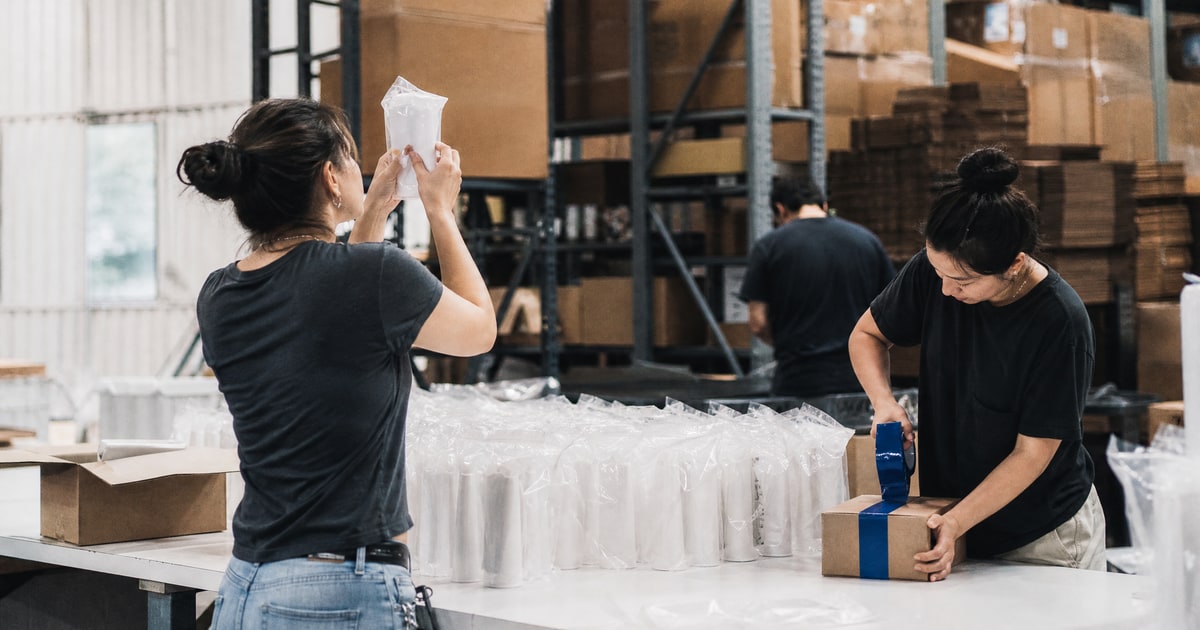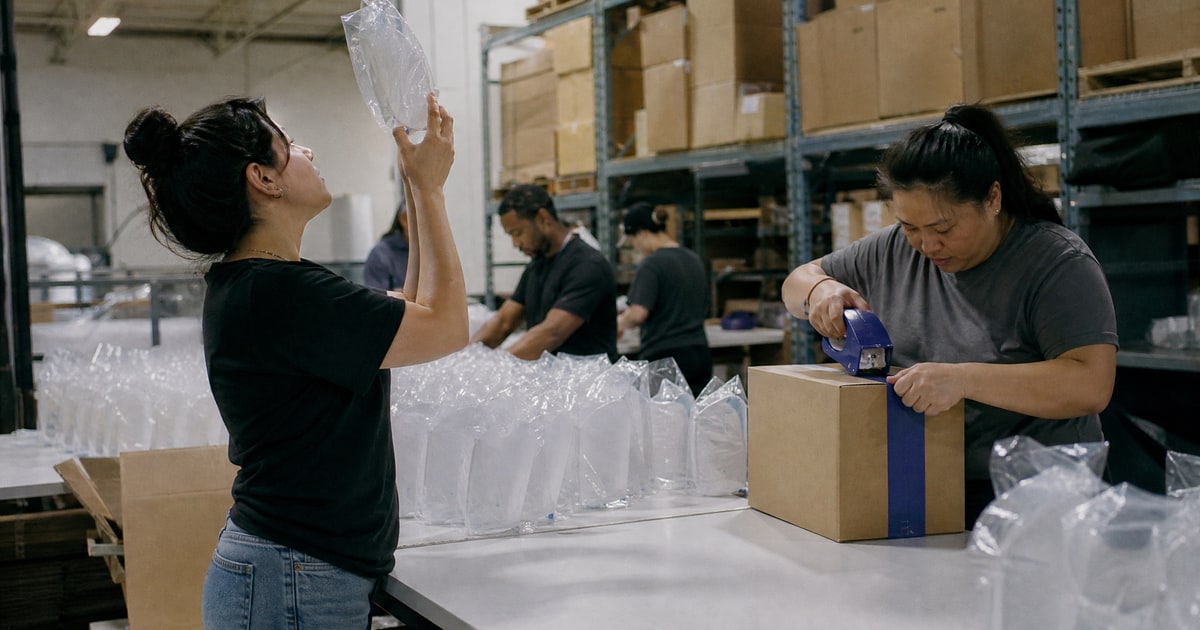
Pay for verification before you pay for goods. Budget samples from at least three suppliers, a written specification, a pre-shipment inspection and a deliberately small first order. Those four line items cost a fraction of the order value, and they are the cheapest insurance available against a shipment you cannot sell.
The short version
- The specification is the contract. A loose spec produces wildly different quotes and gives you nothing to reject against.
- Three quotes on the same spec, or the comparison is meaningless. Different specifications produce different prices for reasons that have nothing to do with the supplier.
- Inspect before the balance payment. After the money leaves, your leverage is gone.
- Ask who inspects and where they sit. An inspector who works for you behaves differently to one arranged by the factory.
- Defects are not a quality problem until they are a returns problem. Amazon prices bad quality in return rates, ratings and suppressed listings.
The arithmetic of getting it wrong
Put both columns in front of you before deciding how much verification to buy.
| Line item | What verification costs | What skipping it costs |
|---|---|---|
| Samples from three suppliers | Sample units plus courier | Choosing on price and discovering the difference at scale |
| Written specification | A few hours of your time | Quotes you cannot compare and defects you cannot reject |
| Factory checks | An inspection fee | Paying a trading company factory margins, or paying a factory that does not exist |
| Pre-production sample sign-off | One sample plus the delay | A full run built to the wrong color, size or material |
| Pre-shipment inspection | A per-visit fee | A container of unsellable stock in Amazon's warehouse |
| Small first order | Higher unit cost | Capital locked in inventory that the market rejected |
The comparison is not close. A single-product launch runs $8,000 to $15,000 in total capital, most of it inventory and freight. Verification is a small slice of that, and it is the only slice that protects the rest.
The sequence that keeps the leverage on your side
- Write the specification. Dimensions with tolerances, materials, weight, finish, packaging, labeling, certifications required for your marketplace and the acceptable defect rate. If you cannot write it, you cannot enforce it.
- Shortlist and verify identity. Business license, address, whether they manufacture or trade. Trading companies are not automatically wrong, but you should know which you are paying.
- Request quotes against the identical document. Ask for unit price at three volume tiers, tooling costs, lead time and payment terms.
- Buy samples from at least three. Judge against written pass and fail criteria you set before the boxes arrive, not against how you feel when you open them.
- Negotiate terms, not just price. A deposit with the balance due after a passed inspection is worth more than a small unit discount.
- Approve a pre-production sample in writing. This is the reference the inspection is measured against.
- Inspect before the balance payment. Sampling plan, defect classification, photographs, and a documented pass or fail.
- Start small. A validation run is about 200 units and $5,000 to $10,000, which is enough to learn whether the market wants it and whether the factory can repeat itself.
Step seven is where most of the money is saved. Once the balance is paid, every conversation about defects becomes a request rather than a condition.
Who should be doing the inspecting
This is the question I would ask any sourcing partner: is the person opening the boxes your employee, and where do they sit. We run sourcing through our own studio in Guangzhou, with frameworks built across more than 500 brands, and nothing is subcontracted. That matters because an inspector who is a freelancer arranged through the factory's own network has an obvious conflict, and because a report full of green ticks is worth nothing without photographs of the failures.
You do not need to hire us to apply the test. You need to know whether the eyes on your production line answer to you or to the seller.
What most agencies will not tell you
Most agencies will not tell you when the honest answer is that a product should not be manufactured at all. Sourcing fees are earned on transactions, so the incentive runs toward placing the order. Nobody is paid to say the tooling cost does not pay back at your projected volume, or that a category with a high return rate will punish a design that is borderline on durability.
The second thing: the cheapest quote is usually cheap for a reason you will find later. A supplier who undercuts the others by a wide margin on the same specification has changed something, and the change is usually in material grade, packaging or the quality control they were planning to run. Ask what they did differently to reach that number and listen carefully to the answer.
Related answers
- Alternatives to Alibaba for private label sourcing
- How to validate a product before Amazon launch
- How to manage inventory and avoid stockouts for private label
- Timeline for Amazon FBA launch from sourcing to PPC
- Amazon launch services: the complete guide
If you want a second opinion on a supplier quote before you send a deposit, ask at Flapen.