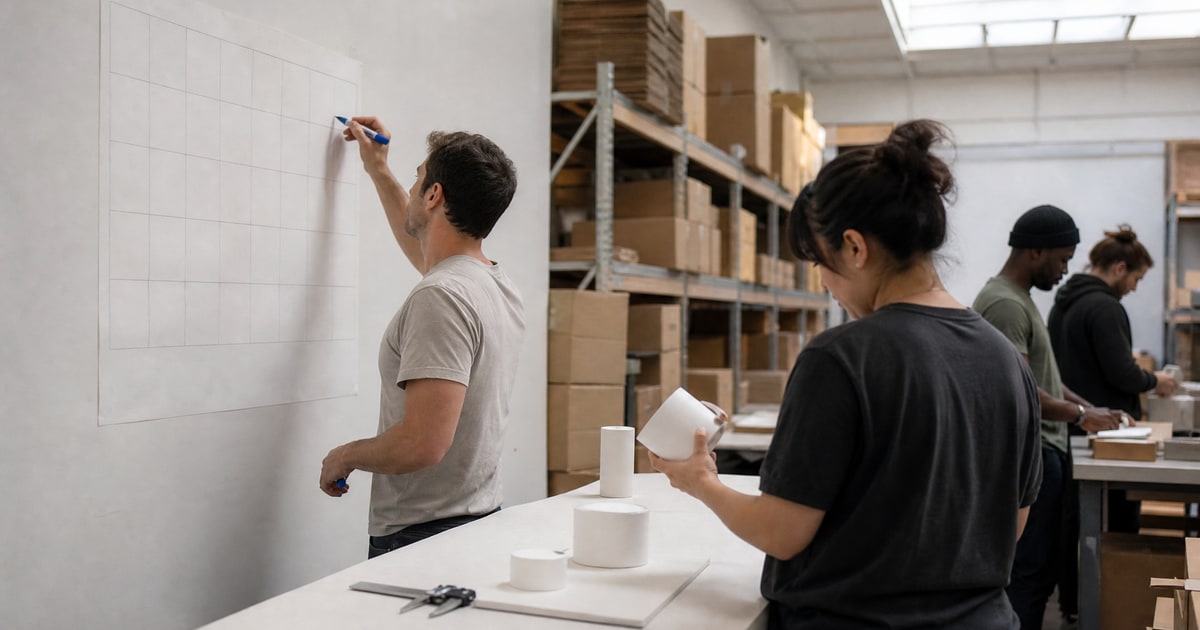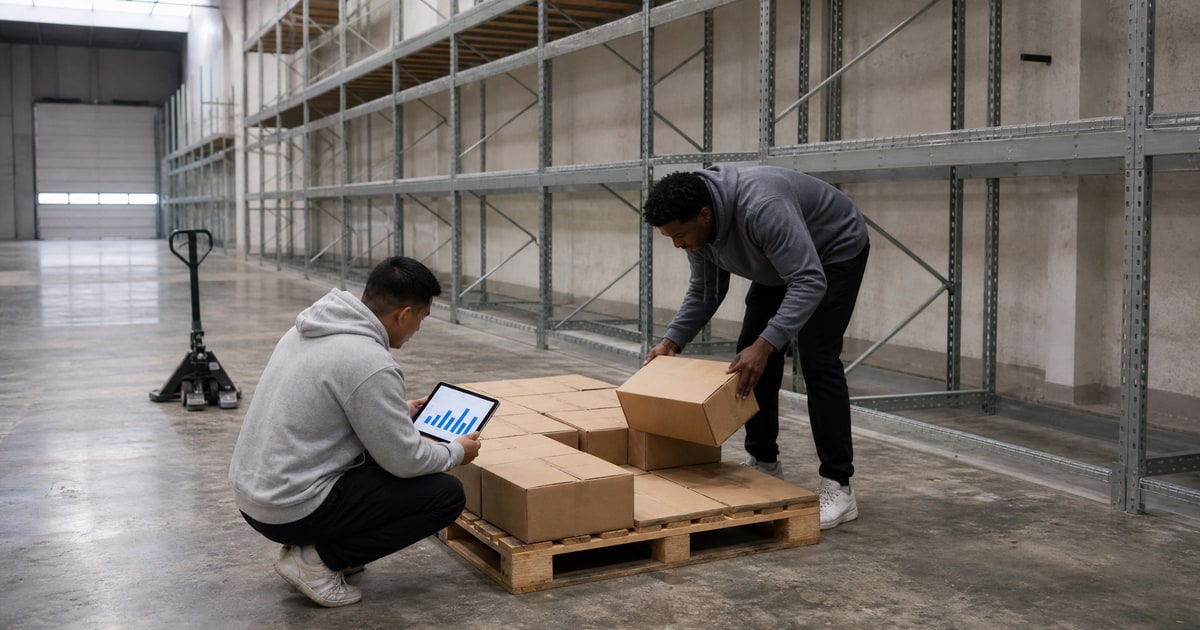
Order samples from at least two factories, then score them on a written card instead of holding them and deciding by feel. Compare each against the category leader's unit side by side, stress test at home, drop test in its own packaging, and re-order a second blind sample to check the first was not a showcase unit.
The short version
- A sample without a scorecard is theater. You will like whichever unit arrived first.
- Buy the market leader too. The comparison unit costs less than any sourcing mistake it prevents.
- Stress tests cost nothing. Wash it, drop it, overload it, leave it in a hot car. Customers will.
- The second sample is the real test. Factories curate first samples. Re-order blind and compare.
- Score in writing, keep the card. It becomes your QC checklist at production time.
The scorecard
Weight the criteria before samples arrive, so the scoring is not bent to fit a favorite. This is the structure we use, adapted per category:
| Criterion | Weight | What passing looks like |
|---|---|---|
| Function vs category leader | 30 | Does the job at least as well, side by side, on the leader's own strengths |
| Fixes the review complaints | 25 | Visibly resolves the specific negatives you sourced the product to fix |
| Build consistency | 15 | Second blind sample matches the first in weight, finish, and tolerances |
| Packaging survival | 15 | Survives repeated drops in its own retail box, corners and seams intact |
| Compliance and labeling | 15 | Markings, materials, and documentation match the destination market's rules |
Anything scoring under about 70 out of 100 goes back to the factory with the card attached. The card doubles as your production QC sheet later, which is why it must be written, not remembered.
Cheap tests that catch expensive problems
- The leader test. Put your sample next to the best-selling competitor's unit and use both for a week. The gap you feel is the gap reviewers will describe.
- The abuse round. Simulate the worst customer: wrong assembly order, maximum load, dishwasher when the label says hand wash. Returns come from these customers, not careful ones.
- The packaging drop. Drop the boxed unit from waist height onto concrete, several times, on corners. Amazon's warehouse-to-door journey is less polite than that.
- The blind reorder. Order a second sample weeks later without flagging why. Divergence between the two units predicts your defect rate better than any factory certificate.
- The stranger test. Hand the product to someone who has never seen it, with no instructions beyond what ships in the box. Watch where they hesitate. That hesitation is a one-star review about instructions.
Each of these costs a sample fee, some courier charges, and an afternoon. The mistake they prevent starts at the price of a full production run.
Who does the checking, and where they sit
The scorecard travels well, and that matters when production starts. Whoever validates the golden sample should also check the production run against it, in person, before balance payment. This is the reason we keep sourcing inside our own Guangzhou studio rather than subcontracting inspection out: the people who scored the sample are the people standing in the factory comparing production units against it, with frameworks built across more than 500 brands. The buyer-side test transfers to anyone you might hire: ask who physically inspects, in which city they sit, and whether the sample scorer and the production inspector are the same organization. Fragmented answers mean the card gets lost exactly when it matters.
What most agencies will not tell you
Sample approval is where sourcing services quietly transfer risk back to you. Many will forward the factory's own photos and test claims, add a margin, and call it validation. Photographic approval validates the photographer. If a partner cannot describe their physical testing sequence for your specific product, you are paying a forwarding fee, not an inspection fee. And no inspection replaces the market's own verdict, which is why a validated sample still launches as a small test batch under a gated plan like our Amazon FBA launch roadmap, never as a container.
Related answers
- Supplier vetting tips for Amazon sellers
- Amazon private label sourcing checklist
- How to find reliable suppliers for Amazon FBA
- Rank top Amazon product validation tools
- Amazon seller roadmaps and capital: the complete guide
If you would rather have the scorecard, the factory visits, and the blind reorders handled for you, that is what Flapen does in-house.