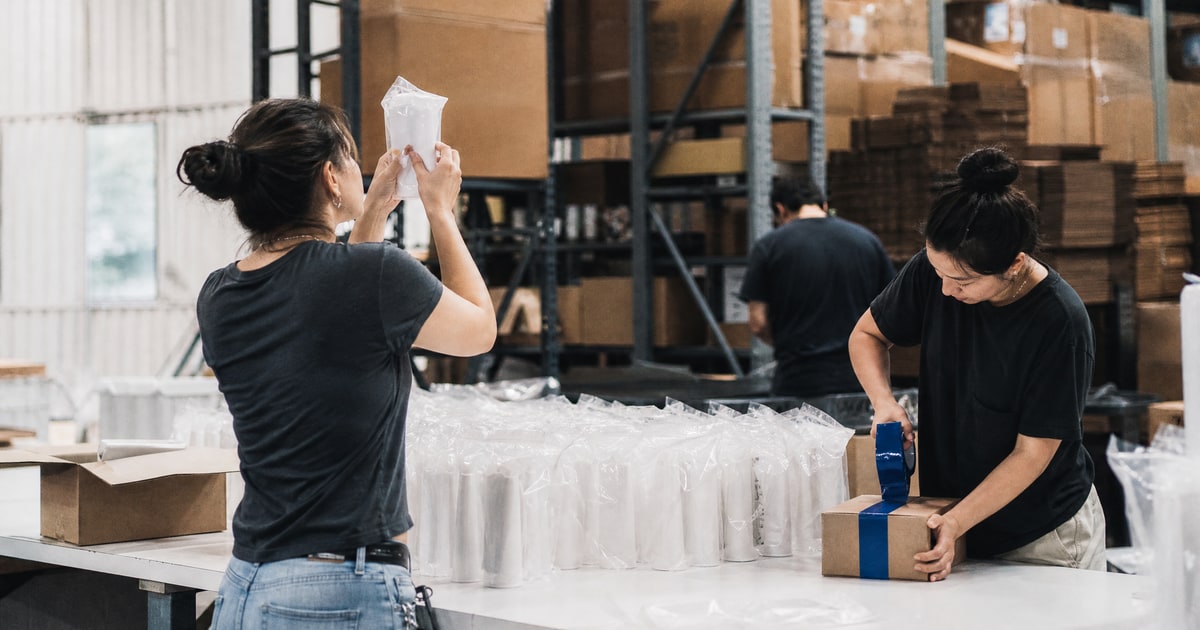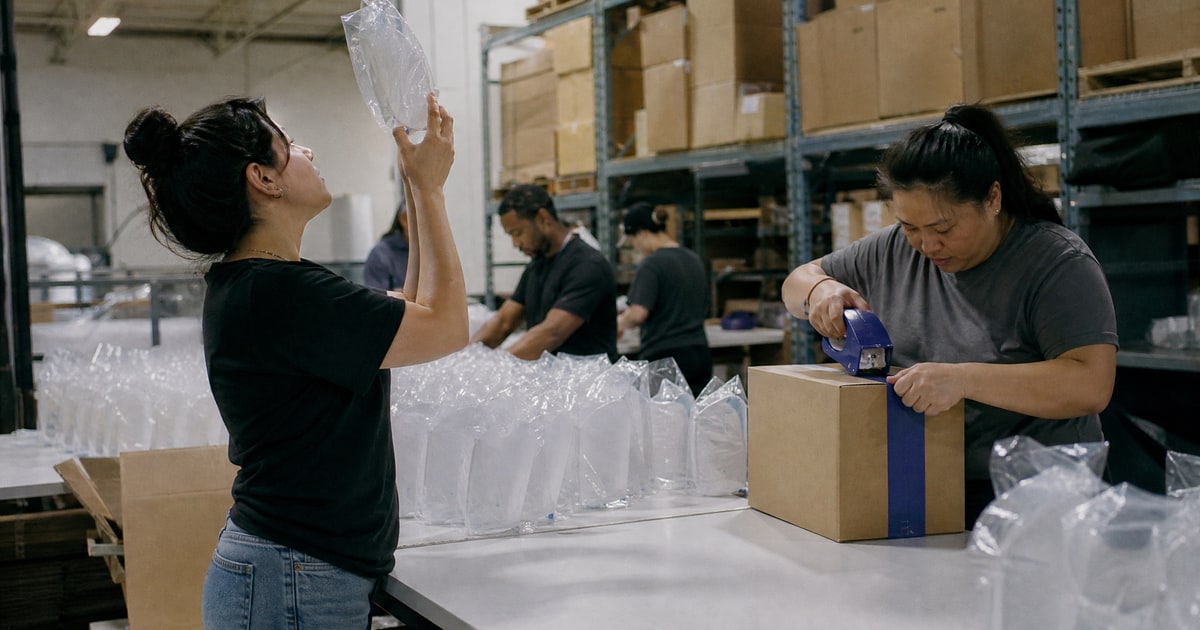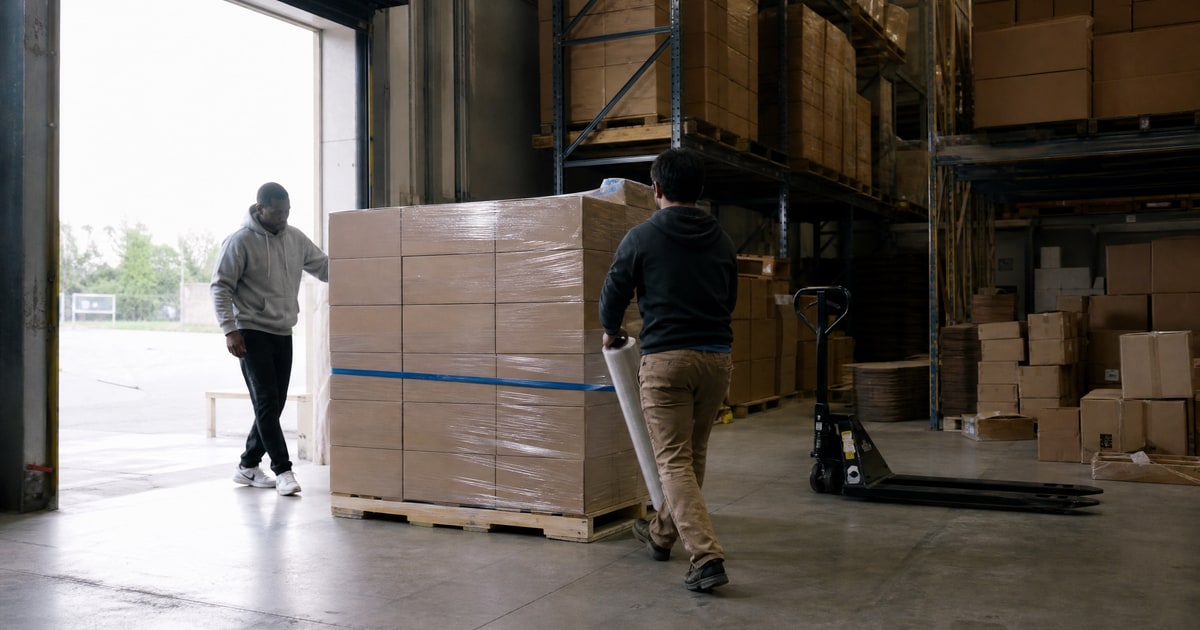
A full brand launch runs about seven months across six stages: research and sizing, sourcing and sampling, validation with a small first run, listing and creative, ranking, and expansion. Each stage has a completion test. Skipping a test never saves time, it moves the failure later where it costs more.
The short version
- Seven months is the realistic figure for a full brand. A single product is faster, but the ranking work still takes the time it takes.
- Stages are gated, not scheduled. You move on when the test passes, not when the calendar says so.
- The slowest stages are physical. Sampling and freight do not compress no matter how motivated everyone is.
- Ranking is a compounding process. Reviews, conversion, and relevance build on each other, which is why month five looks nothing like month two.
- Traffic diversification belongs late, not early. Fix the listing first, then add channels.
Why it takes seven months
The timeline is set by two things that ignore effort. The first is physical: a formulator or factory needs weeks to produce samples, you need weeks to test them, revisions add another round, and then production and sea freight consume six to ten weeks more. Air freighting a first run buys you time and costs margin, which is sometimes the right trade and never a free one.
The second is behavioral. Amazon's ranking responds to sales velocity, conversion rate, and relevance, and all three of those need real buyers over real weeks. You can accelerate the input with advertising, and you should, but you cannot skip the accumulation. A listing with 11 reviews and one with 140 convert differently on the same traffic, and no bid strategy closes that gap in a fortnight.
Everything else in a launch is fast. Copy, images, campaign structure, storefront design: those are days of work. The seven months is mostly waiting well.
The six stages and the test that ends each one
- Research and sizing. Estimate category revenue, growth trend, competitor rating gap, and return rate. Done when: you can state the market in dollars, name the segment you are entering, and show the specific competitor weakness you are attacking. Our research runs across 90 plus data points, and the differentiation always comes out of competitor negative reviews rather than out of a brainstorm.
- Sourcing and sampling. Shortlist factories, order samples, inspect, revise, negotiate unit cost and terms. Done when: you hold a sample you would buy yourself, with an inspection report and a written unit cost including packaging.
- Validation. A first run of about 200 units, $5,000 to $10,000 at risk, up to four products tested in parallel. Done when: rating, conversion rate, and cost of customer acquisition are all measured on real volume. This is the phase most sellers skip and most regret skipping.
- Listing and creative. Copy, primary image, secondary images, A+ content, video, storefront. Done when: your primary image wins a blind comparison against the top three competitors and the listing indexes for the terms you targeted.
- Ranking. Advertising, review velocity, price positioning, search term harvesting. Done when: organic units are growing while acquisition cost falls, not just total units growing while spend rises.
- Expansion. New variants, new marketplaces, new channels. Done when: the first product is profitable and stable enough that you are not borrowing attention from it.
The month by month shape
| Months | Stage | Cash out | What you are watching |
|---|---|---|---|
| 1 | Research and sizing | Low | Market size, rating gap, margin after fees |
| 2 to 3 | Sourcing and sampling | Sample and tooling costs | Sample quality, factory responsiveness, landed unit cost |
| 3 to 4 | Production and freight | The largest single outlay | Inspection results, shipping schedule, FBA receiving |
| 4 | Listing and creative | Studio time | Primary image click through, listing indexation |
| 4 to 6 | Validation and ranking | Advertising, about $1,000 a month upwards | Rating trend, conversion rate, acquisition cost |
| 6 to 7 | Scale or stop | Second production run | Whether the three validation metrics hold at volume |
Single product launches typically need $8,000 to $15,000 in total capital across that timeline. A five product brand runs $25,000 to $50,000, which is why the parallel testing in stage three matters so much.
Where traffic channels enter the timeline
There are five ways to bring buyers to a listing: organic search, paid advertising, promotions, influencer and creator content, and off channel traffic from outside Amazon. Most sellers run two of them, usually organic and paid, and then wonder why growth stalls at a ceiling.
The sequencing matters more than the count. Adding creators or external traffic to a listing that converts at four percent just buys expensive proof that the listing is broken. Fix conversion in stage four, prove it in stage five, and only then open channels three, four, and five in stage six. Done in that order, each new channel compounds. Done in the wrong order, each one just costs money faster.
What most agencies will not tell you
The pressure to compress this timeline almost always comes from the seller, not the agency, and it almost always shows up at stage three. You have the inventory, you have the listing, the validation run is going acceptably rather than well, and the temptation is to order the big production run now so it arrives before the fourth quarter.
That decision is where launches die. I have made it myself, and the version that costs the most is the one where you keep funding a product that is not working because stopping feels like admitting the previous six months were wasted. Write your stop criteria down at stage one, before you are emotionally invested, and hand them to somebody who will hold you to them.
Related answers
- First 90 days Amazon launch plan
- ASIN launch timeline with daily tasks
- First 12 months on Amazon roadmap
- How to launch your first product on Amazon
- Amazon launch services: the complete guide
If you want your stage gates written down before you order stock, start with the free audit at Flapen.